

Are prefab container rooms suitable for off - grid living?
Jun 02, 2025
Leave a message
Are prefab container rooms suitable for off - grid living?
In recent years, off - grid living has gained significant popularity among individuals seeking a more sustainable, self - sufficient, and independent lifestyle. As a supplier of Prefab Container Rooms, I've often been asked whether our products are suitable for off - grid living. In this blog, I'll explore the various aspects of prefab container rooms in the context of off - grid living, weighing their advantages and limitations.
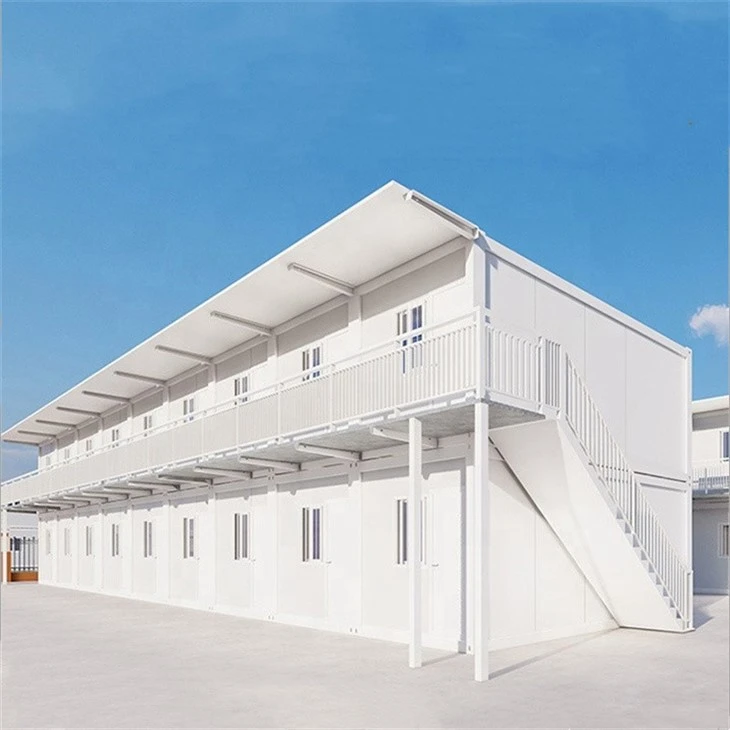

Advantages of Prefab Container Rooms for Off - Grid Living
1. Mobility and Flexibility
One of the most significant benefits of prefab container rooms is their mobility. Movable Container Room can be easily transported to remote off - grid locations. Whether you're looking to set up a home in the mountains, by a lake, or in a forest, these rooms can be delivered and installed with relative ease. This mobility also allows for future relocation if your off - grid living plans change. For example, if you discover a better location with more resources or a more favorable climate, you can simply move your container room to the new site.
2. Quick Installation
Time is often of the essence when it comes to off - grid living. Traditional construction methods can be time - consuming, especially in remote areas where access to materials and labor may be limited. Prefab container rooms, on the other hand, are pre - fabricated in a factory and then assembled on - site. This significantly reduces the construction time. In many cases, a container room can be fully installed and ready for occupancy within a matter of days or weeks, allowing you to start your off - grid life sooner.
3. Cost - Effectiveness
Off - grid living is often associated with a desire to live frugally. Prefab container rooms are generally more cost - effective than traditional construction. The pre - fabrication process allows for economies of scale, reducing the overall cost of materials and labor. Additionally, since container rooms are made from recycled shipping containers, they are an environmentally friendly and budget - friendly option. You can save a substantial amount of money on construction costs, which can be redirected towards other aspects of your off - grid lifestyle, such as solar panels, water collection systems, or food production.
4. Structural Integrity
Shipping containers are designed to withstand harsh conditions during transportation across the oceans. This means that prefab container rooms have a high level of structural integrity. They can withstand strong winds, heavy snow loads, and even earthquakes to a certain extent. This makes them a reliable option for off - grid living, where you may be exposed to extreme weather conditions. The sturdy structure of container rooms also provides a sense of security, giving you peace of mind in your off - grid home.
5. Customizability
Prefab container rooms offer a high degree of customizability. You can design your container room to meet your specific needs and preferences. Whether you want a single - room cabin, a multi - level home, or a combination of living, working, and storage spaces, it can be achieved with container rooms. You can also choose from a variety of finishes, insulation materials, and interior designs to create a comfortable and functional off - grid living space. For example, you can install large windows to maximize natural light, or add a porch or deck to enjoy the surrounding nature.
Challenges and Limitations of Prefab Container Rooms for Off - Grid Living
1. Insulation
One of the main challenges of using container rooms for off - grid living is insulation. Shipping containers are made of metal, which is a good conductor of heat and cold. Without proper insulation, the interior of the container room can become extremely hot in the summer and cold in the winter. This can make it uncomfortable to live in and may also increase your energy consumption if you rely on heating and cooling systems. However, this issue can be addressed by using high - quality insulation materials, such as spray foam insulation or fiberglass batts, during the construction process.
2. Ventilation
Proper ventilation is crucial for a healthy living environment, especially in an off - grid setting. Container rooms can be prone to poor ventilation due to their enclosed nature. Without adequate ventilation, moisture can build up inside the room, leading to mold and mildew growth. This can not only damage the structure of the room but also pose a health risk to the occupants. To ensure proper ventilation, you can install vents, fans, or a mechanical ventilation system.
3. Energy Efficiency
While prefab container rooms can be made energy - efficient, achieving optimal energy efficiency in an off - grid setting can be challenging. Since you're relying on renewable energy sources such as solar panels or wind turbines, you need to design your container room to minimize energy consumption. This may involve using energy - efficient appliances, installing energy - saving windows and doors, and optimizing the orientation of the room to maximize solar gain. However, these measures can add to the initial cost of the project.
4. Water Management
Off - grid living requires a reliable water supply and effective water management system. Container rooms do not come with built - in water collection or storage systems. You need to install a rainwater collection system, a well, or a water purification system to ensure a clean and adequate water supply. Additionally, you need to manage wastewater properly to avoid environmental pollution. This may involve installing a septic tank or a composting toilet.
Making Prefab Container Rooms Work for Off - Grid Living
Despite the challenges, with proper planning and design, prefab container rooms can be an excellent choice for off - grid living. Here are some tips to make your container room more suitable for an off - grid lifestyle:
1. Design for Energy Efficiency
As mentioned earlier, energy efficiency is crucial in an off - grid setting. Design your container room to take advantage of natural light and ventilation. Use energy - efficient appliances and lighting fixtures. Consider installing a solar panel system on the roof of the container room to generate electricity. You can also use a passive solar design, such as large south - facing windows in the northern hemisphere, to heat the room naturally during the winter.
2. Improve Insulation and Ventilation
Invest in high - quality insulation materials to keep your container room comfortable year - round. Ensure proper ventilation by installing vents, fans, or a mechanical ventilation system. This will help to maintain a healthy indoor environment and reduce the risk of mold and mildew growth.
3. Implement a Water Management System
Install a rainwater collection system to collect and store water for domestic use. You can also consider drilling a well if there is an adequate water source underground. For wastewater management, a septic tank or a composting toilet can be installed. Make sure to follow local regulations regarding water management in off - grid areas.
4. Customize for Your Needs
Tailor your container room to meet your specific off - grid living needs. If you're interested in gardening, you can add a greenhouse or a raised bed garden to your container room. If you work from home, you can design a dedicated office space. The key is to make your container room a functional and comfortable home that supports your off - grid lifestyle.
Conclusion
In conclusion, prefab container rooms have both advantages and limitations when it comes to off - grid living. Their mobility, quick installation, cost - effectiveness, structural integrity, and customizability make them an attractive option for those seeking an off - grid lifestyle. However, challenges such as insulation, ventilation, energy efficiency, and water management need to be addressed. With proper planning and design, these challenges can be overcome, and a prefab container room can provide a comfortable, sustainable, and independent off - grid living space.
If you're considering off - grid living and are interested in our Prefab Container Rooms, Movable Container Room, or Detachable Container Room, we'd be happy to discuss your specific needs and provide you with a customized solution. Contact us to start your journey towards off - grid living with a prefab container room.
References
- "Off - Grid Living: A Practical Guide" by John Seymour
- "Container Homes: Innovative Dwellings from Shipping Containers" by Peter DeMaria
- Various industry reports on prefab construction and off - grid living trends.