

Are there any building codes for prefab container homes?
Jun 10, 2025
Leave a message
Are there any building codes for prefab container homes?
As a supplier of prefab container homes, I often encounter questions from clients regarding the building codes applicable to these innovative housing solutions. In this blog post, I'll delve into the world of building codes for prefab container homes, shedding light on the key aspects and regulations that you need to be aware of.
Understanding Prefab Container Homes
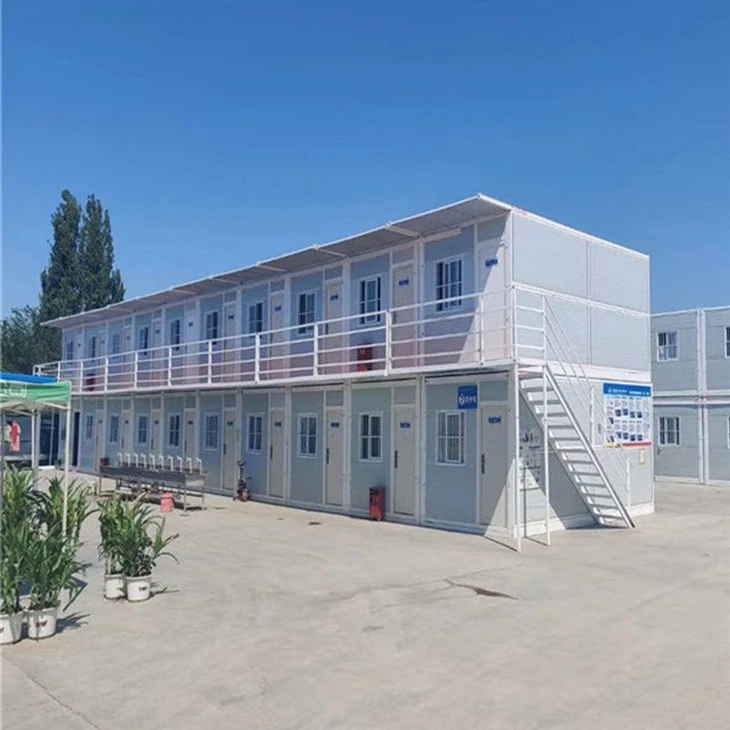
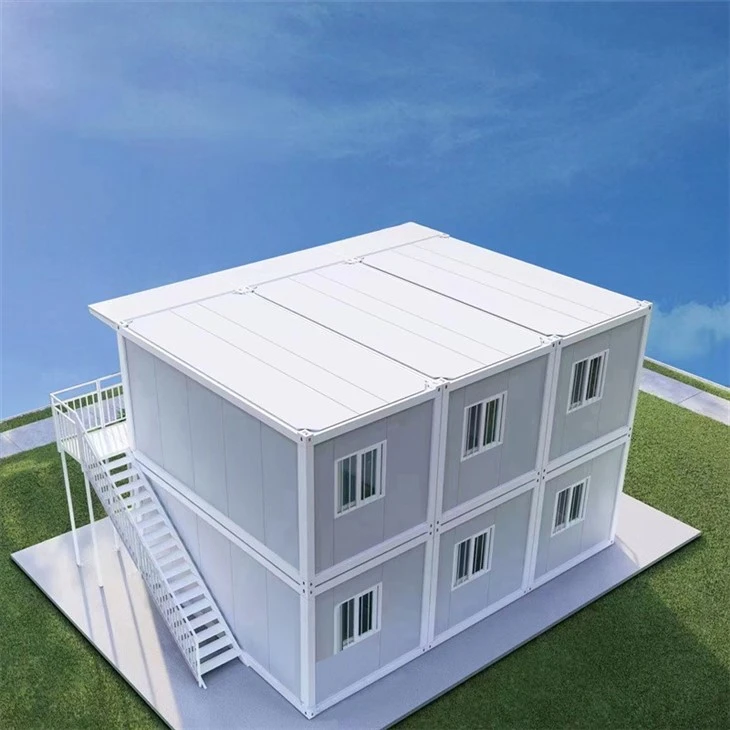
Before we explore the building codes, let's briefly understand what prefab container homes are. Prefab container homes are constructed using shipping containers, which are repurposed and transformed into comfortable living spaces. These homes offer numerous advantages, including cost - effectiveness, quick construction, and environmental sustainability. They come in various types such as Movable Container Homes, Mobile Container Homes, and Folding Container Homes.
The Need for Building Codes
Building codes exist for a multitude of reasons. First and foremost, they ensure the safety of the occupants. They set standards for structural integrity, fire safety, and sanitation. In the case of prefab container homes, building codes help to guarantee that these non - traditional homes meet the same safety and quality benchmarks as traditional houses.
Moreover, building codes also play a role in maintaining the aesthetic and functional harmony of a neighborhood. They regulate aspects such as setbacks, height limits, and the overall appearance of the building, ensuring that prefab container homes blend in with the surrounding environment.
Types of Building Codes Affecting Prefab Container Homes
Structural Codes
Structural codes are of utmost importance for prefab container homes. Shipping containers are designed to withstand the rigors of transportation, but when they are converted into homes, additional structural considerations come into play. For example, the addition of windows, doors, and internal partitions can weaken the container's structure. Building codes specify the minimum requirements for reinforcing the container to ensure it can support the loads imposed by the roof, floors, and any additional features.
In many regions, the structural design of prefab container homes must be approved by a licensed engineer. The engineer will assess the plans to ensure that the home can withstand local weather conditions, including wind, snow, and seismic activity. This might involve calculations for factors such as the container's ability to resist lateral forces and the proper distribution of weight.
Fire Safety Codes
Fire safety is another critical aspect regulated by building codes. Prefab container homes need to have adequate fire - resistant materials. The interior finishes, such as wall and ceiling coverings, must meet specific fire - rating requirements. Additionally, building codes mandate the installation of fire - detection and suppression systems. This typically includes smoke detectors and, in some cases, sprinkler systems.
The layout of the home also affects fire safety. Codes may require clear paths for egress, ensuring that occupants can quickly and safely exit the home in the event of a fire. This means that hallways, doors, and windows must be of a sufficient size and properly located.
Sanitation and Plumbing Codes
Sanitation and plumbing codes govern the installation of water supply, drainage, and sewage systems in prefab container homes. These codes ensure that the home has a clean and safe water supply and that wastewater is properly disposed of.
For example, the plumbing pipes used in the home must be of a certain quality and be installed in accordance with the code. The water heater must be properly vented to prevent the build - up of dangerous gases. Additionally, the sewage system must be connected to a municipal sewer or a properly designed septic system, depending on the location of the home.
Electrical Codes
Electrical codes are essential for the safe operation of electrical systems in prefab container homes. They regulate the installation of wiring, outlets, switches, and electrical appliances. Building codes specify the minimum number of outlets required in each room, the proper grounding of electrical systems, and the use of appropriate circuit breakers.
Electrical work in prefab container homes must be carried out by a licensed electrician. The electrician will ensure that the electrical system is installed in a way that minimizes the risk of electrical fires and shocks.
Regional Variations in Building Codes
It's important to note that building codes can vary significantly from one region to another. Different states, counties, and municipalities may have their own set of regulations. Some areas may be more lenient towards prefab container homes, while others may have strict requirements.
For example, in areas prone to natural disasters such as hurricanes or earthquakes, the building codes will be more stringent in terms of structural requirements. Coastal regions may have specific regulations regarding flood - proofing and corrosion resistance for container homes. On the other hand, some rural areas may have more relaxed codes, allowing for greater flexibility in the design and construction of prefab container homes.
Navigating the Building Code Process
As a prefab container home supplier, I understand that navigating the building code process can be a daunting task for our clients. That's why we offer comprehensive support to help them through this process.
We work closely with our clients to ensure that their prefab container home designs comply with local building codes. Our team of experts, including architects and engineers, is well - versed in the various building codes across different regions. We can provide detailed plans and specifications that meet the requirements of the local authorities.
In addition, we can also assist our clients in obtaining the necessary permits for their prefab container homes. We have experience dealing with the permitting process and can help streamline the application, ensuring that it is submitted correctly and in a timely manner.
Conclusion
In conclusion, there are indeed building codes for prefab container homes, and they are essential for ensuring the safety, quality, and integration of these homes into the built environment. While the process of complying with these codes may seem complex, with the right guidance and support, it can be managed effectively.
If you're interested in purchasing a prefab container home and have questions about building codes or any other aspect of the process, we're here to help. Our team is dedicated to providing high - quality prefab container homes that meet all the necessary building code requirements. Contact us to start a conversation about your dream prefab container home today.
References
- International Code Council (ICC). International Building Code (IBC).
- National Fire Protection Association (NFPA). NFPA 1 - Fire Code.
- American Society of Civil Engineers (ASCE). ASCE 7 - Minimum Design Loads for Buildings and Other Structures.