

How do I ensure proper insulation in a prefabricated bathroom?
Oct 07, 2025
Leave a message
As a prefabricated bathroom supplier, ensuring proper insulation in prefabricated bathrooms is not only a technical challenge but also a crucial factor in enhancing customer satisfaction. In this blog, I will share some key strategies and considerations that I have gathered over the years in the industry to ensure optimal insulation in prefabricated bathrooms.
Understanding the Importance of Insulation in Prefabricated Bathrooms
Before delving into the methods of insulation, it's essential to understand why insulation is so important in prefabricated bathrooms. Insulation helps to maintain a comfortable temperature inside the bathroom, reducing heat loss in cold weather and preventing excessive heat gain in hot weather. This not only enhances the comfort of the users but also contributes to energy efficiency, reducing the overall energy consumption of the building.
Moreover, proper insulation can prevent condensation from forming on the walls and ceilings of the bathroom. Condensation can lead to mold and mildew growth, which not only damages the bathroom structure but also poses a health risk to the users. By preventing condensation, insulation helps to maintain a healthy and hygienic environment in the bathroom.
Choosing the Right Insulation Materials
The choice of insulation materials is critical in ensuring proper insulation in prefabricated bathrooms. There are several types of insulation materials available in the market, each with its own advantages and disadvantages.
Fiberglass Insulation
Fiberglass insulation is one of the most commonly used insulation materials in prefabricated bathrooms. It is made of fine glass fibers and is known for its excellent thermal insulation properties. Fiberglass insulation is relatively inexpensive, easy to install, and has a high R - value (a measure of thermal resistance). However, it can be irritating to the skin, eyes, and lungs if not handled properly, so appropriate safety measures should be taken during installation.
Spray Foam Insulation
Spray foam insulation is another popular choice for prefabricated bathrooms. It is applied as a liquid that expands and hardens into a solid foam. Spray foam insulation provides an airtight seal, which helps to prevent air leakage and heat transfer. It also has a high R - value and can conform to irregular shapes, making it suitable for use in prefabricated bathrooms with complex designs. However, spray foam insulation is more expensive than fiberglass insulation and requires professional installation.
Cellulose Insulation
Cellulose insulation is made from recycled paper and is treated with fire - retardant chemicals. It is an environmentally friendly option and has good thermal insulation properties. Cellulose insulation can be blown into wall cavities, providing a good fit and reducing the risk of air leakage. However, it may settle over time, reducing its insulation effectiveness.
Insulating the Walls
The walls of a prefabricated bathroom are a major area where heat can be lost. To ensure proper insulation of the walls, the following steps can be taken:
Install Insulation Batts
If using fiberglass or cellulose insulation, insulation batts can be installed between the wall studs. Make sure the batts fit snugly into the wall cavities to prevent air gaps. Seal any gaps around the edges of the batts with caulk or foam sealant to ensure an airtight fit.
Use Insulated Wall Panels
Some prefabricated bathrooms come with insulated wall panels. These panels are designed to provide both structural support and insulation. They are usually made of materials such as polystyrene foam sandwiched between two layers of fiberglass or other materials. Insulated wall panels can be easily installed and provide a high level of insulation.
Insulating the Floors
The floor is another area where heat loss can occur. To insulate the floor of a prefabricated bathroom, the following methods can be used:
Underfloor Insulation
Underfloor insulation can be installed beneath the bathroom floor. This can be in the form of rigid foam boards or fiberglass insulation. Rigid foam boards are a popular choice as they have a high R - value and can provide good insulation. Make sure the insulation is installed evenly and that there are no gaps or voids.
Insulated Floor Tiles
Some floor tiles are designed with insulation properties. These tiles can help to reduce heat loss through the floor. They are usually made with a layer of insulating material such as cork or foam beneath the tile surface. Insulated floor tiles can be a convenient option as they are easy to install and can also enhance the overall look of the bathroom.
Insulating the Ceiling
The ceiling is also an important area to insulate in a prefabricated bathroom. Here are some ways to insulate the ceiling:
Ceiling Insulation Batts
Similar to wall insulation, ceiling insulation batts can be installed between the ceiling joists. Make sure the batts are properly installed and that there are no gaps. Seal any openings around light fixtures or ventilation ducts to prevent air leakage.
Suspended Ceilings with Insulation
Suspended ceilings can be installed with insulation panels attached to the underside. This not only provides insulation but also gives a finished look to the bathroom ceiling. The insulation panels can be made of materials such as fiberglass or mineral wool.
Sealing Air Leaks
Air leaks can significantly reduce the effectiveness of insulation. To prevent air leaks in a prefabricated bathroom, the following steps can be taken:
Seal Around Windows and Doors
Use weatherstripping and caulking to seal around windows and doors. This will prevent cold air from entering the bathroom and warm air from escaping. Make sure the seals are in good condition and replace them if necessary.
Seal Penetrations
Seal any penetrations in the walls, floors, or ceilings, such as pipes, electrical wires, and ventilation ducts. Use foam sealant or caulk to fill these gaps and prevent air leakage.

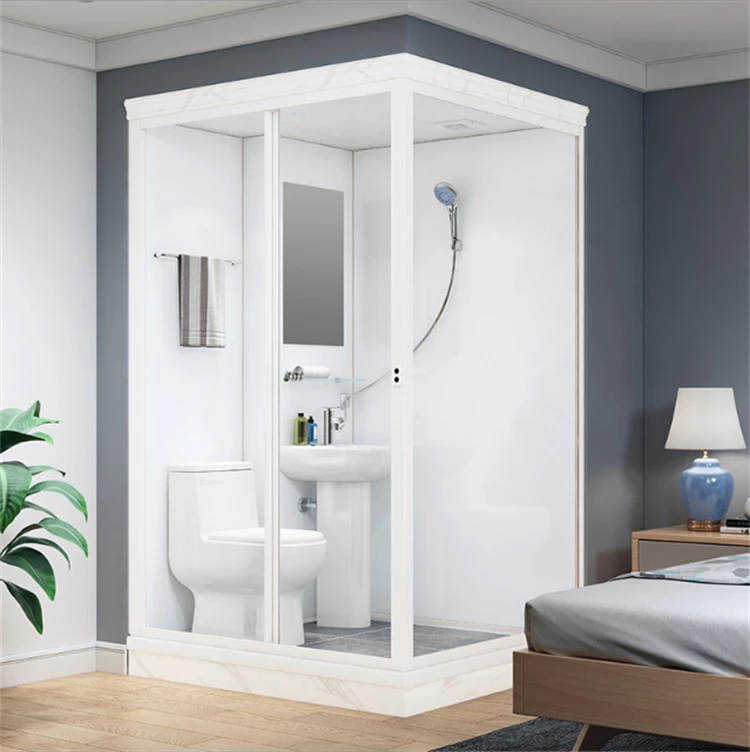
Consider the Use of Insulated Fixtures
In addition to insulating the structure of the bathroom, using insulated fixtures can also contribute to overall insulation. For example, a Glass Shower Enclosure with insulated glass can help to reduce heat loss from the shower area. Similarly, a well - insulated bathtub can keep the water warm for longer.
Quality Control during Manufacturing
As a prefabricated bathroom supplier, quality control during the manufacturing process is crucial to ensure proper insulation. Regular inspections should be carried out to ensure that the insulation materials are installed correctly and that there are no defects in the insulation. Test the insulation performance of the prefabricated bathrooms using appropriate equipment to ensure that they meet the required standards.
Conclusion
Ensuring proper insulation in prefabricated bathrooms is a multi - faceted process that involves choosing the right insulation materials, insulating the walls, floors, and ceilings, sealing air leaks, and using insulated fixtures. By following these strategies, as a prefabricated bathroom supplier, I can provide high - quality prefabricated bathrooms that are energy - efficient, comfortable, and free from condensation and mold problems.
If you are interested in our Complete Modular Bathroom or Glass Shower Enclosure products, and want to discuss your specific insulation requirements, please feel free to contact us for procurement and further discussions.
References
- "Building Science Basics: Insulation" by the Building Science Corporation.
- "Insulation Materials and Applications" by the U.S. Department of Energy.
- "Prefabricated Building Systems: Design, Fabrication, and Construction" by various authors.