

How to choose a shower drain for a shower room?
Dec 22, 2025
Leave a message
Hey there! As a shower room supplier, I get asked a lot about how to choose the right shower drain for a shower room. It might seem like a small detail, but let me tell you, it's crucial for the overall functionality and longevity of your shower. So, let's dive right in and explore the key factors you should consider when making this important decision.
Size Matters
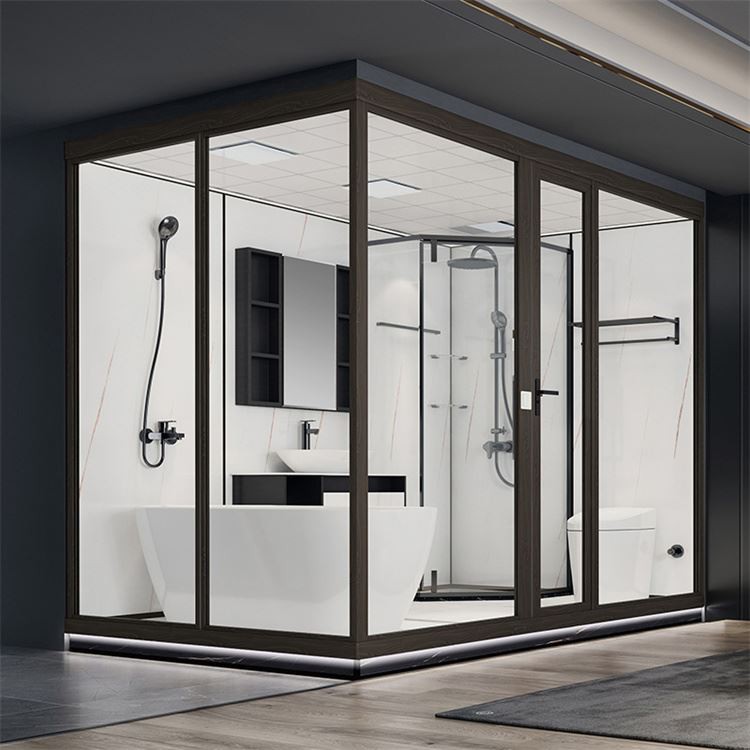
First off, you've got to think about the size of the drain. This is determined by a couple of things - the size of your shower room and how much water it's likely to handle. If you've got a big Complete Shower Room, you'll need a larger drain to ensure that water can quickly and efficiently flow out. A small drain in a large shower could lead to water pooling, which is a major no - no.
On the other hand, if you have a Portable Shower Room or a compact space, a smaller drain should do the trick. You don't want a drain that's so big that it takes up a ton of space in your already limited shower area. Most residential showers can get away with a 2 - 4 inch drain, but it's always best to measure your space and calculate the water flow rate to be on the safe side.
Type of Drain
There are mainly four types of shower drains you'll come across: linear drains, point drains, shower grate drains, and custom - shaped drains.
Linear Drains: These are super popular these days, and for a good reason. They're long and narrow, usually running along one side of the shower. Linear drains can handle a large volume of water quickly, making them perfect for bigger showers or showers with high - flow showerheads. They also give your shower a sleek, modern look. If you're going for a contemporary design in your Prefabricated Shower Enclosure, a linear drain will be a great addition.
Point Drains: Point drains are the traditional round or square drains you see in the middle or corner of a shower. They're simple, easy to install, and cost - effective. They're ideal for small to medium - sized showers where water doesn't have to travel far to reach the drain.
Shower Grate Drains: These drains have a grate on the surface that allows water to flow through while keeping larger debris out. They come in various shapes and sizes, and you can choose a style that matches your shower's aesthetic. Grate drains are a good all - around option, but you need to make sure to clean the grate regularly to prevent clogs.
Custom - shaped Drains: If you've got a unique shower design, you might want to consider a custom - shaped drain. These can be made to fit any shape or size, giving you complete freedom in your shower layout. However, they can be more expensive and take longer to install.
Material
The material of the drain is another important consideration. You want something that's durable, resistant to corrosion, and easy to clean.
Stainless Steel: This is a popular choice because it's strong, rust - resistant, and easy to maintain. Stainless steel drains look great in both modern and traditional showers, and they can withstand daily use without getting damaged easily.
Brass: Brass drains are also a good option. They have a classic look and are very durable. However, they can be more expensive than stainless steel, and they might require a bit more maintenance to keep their shine.

PVC: PVC drains are lightweight, affordable, and easy to install. They're a good choice for DIY projects or for showers where cost is a major concern. However, they might not be as durable as metal drains and can crack or break under heavy use.
Installation
Installing a shower drain can be a bit tricky, especially if you're not experienced with plumbing. You need to make sure that the drain is level, properly sealed, and connected to the plumbing system correctly.
If you're comfortable doing it yourself, there are plenty of online tutorials that can guide you through the process. However, if you're not confident, it's best to hire a professional plumber. A professional will ensure that the installation is done right, which can save you a lot of headaches in the long run.
Maintenance
Last but not least, think about how easy it will be to maintain the drain. Over time, hair, soap scum, and other debris can build up in the drain, causing clogs. You want a drain that's easy to clean and has features that prevent clogs.
For example, some drains come with a built - in hair catcher that can be easily removed and cleaned. This can significantly reduce the chances of clogs and make maintenance a breeze.
Making Your Decision
When it comes down to it, choosing the right shower drain for your shower room boils down to your specific needs, preferences, and budget. Consider the size of your shower, the type of drain that suits your design, the material that will last, the ease of installation, and the maintenance requirements.
If you're still not sure which shower drain is right for you, don't hesitate to reach out! As a shower room supplier, I've helped countless customers find the perfect drains for their showers. We can discuss your project in detail, and I'll be more than happy to provide expert advice and guidance. Whether you're outfitting a Complete Shower Room, a Portable Shower Room, or a Prefabricated Shower Enclosure, I've got the knowledge and the products to meet your needs.
If you're interested in purchasing shower drains or other shower room components, we're here to assist you. Contact us for a free consultation and let's start creating the perfect shower experience for you.
References
- Plumbing textbooks covering drainage systems
- Industry reports on shower room components
- Online resources from plumbing manufacturers and suppliers