

What is the lifespan of a container home?
May 29, 2025
Leave a message
The lifespan of a container home is a crucial consideration for anyone looking to invest in this innovative housing solution. As a leading Container Home supplier, I've had the privilege of witnessing the durability and longevity of these structures firsthand. In this blog, I'll delve into the factors that influence the lifespan of a container home, share some real - world examples, and offer tips on how to extend its life.
Factors Affecting the Lifespan of a Container Home
Material Quality
The quality of the shipping container used as the base of the home is fundamental. Most container homes are built from steel shipping containers. High - grade steel with proper coatings is more resistant to rust, corrosion, and structural damage. Containers that are made from thick - walled steel and have been treated with anti - corrosion paints or coatings can last much longer. For instance, a container with a hot - dipped galvanized coating provides an extra layer of protection against the elements, significantly increasing its lifespan.
Environmental Conditions
The environment in which the container home is placed plays a huge role. If the home is located in a coastal area, it will be exposed to saltwater air, which is highly corrosive. Over time, the salt can eat away at the steel, reducing the container's structural integrity. On the other hand, a container home in a dry, temperate climate will generally experience less wear and tear. Extreme weather conditions such as heavy snow, strong winds, and frequent hurricanes can also impact the lifespan. A well - engineered container home can withstand these forces, but continuous exposure to harsh weather can take its toll.
Maintenance
Regular maintenance is key to extending the lifespan of a container home. Simple tasks like inspecting the exterior for signs of rust or damage, checking the roof for leaks, and ensuring proper drainage can prevent small issues from becoming major problems. Additionally, maintaining the interior finishes, such as painting the walls and keeping the plumbing in good condition, can enhance the overall longevity of the home.
Design and Construction
The design and construction of the container home can influence its lifespan. A well - designed container home will have proper insulation, ventilation, and structural support. If the container is modified and extended in a way that compromises its original structure, it may lead to premature failure. For example, cutting large holes in the container without proper reinforcement can weaken the steel frame.
Average Lifespan of Container Homes
On average, a well - maintained container home can last anywhere from 25 to 50 years. However, this is a broad estimate, and the actual lifespan can vary depending on the factors mentioned above. Shipping containers are initially designed to withstand the rigors of international shipping, which means they have a certain level of durability built - in. When these containers are repurposed into homes, with proper care, they can serve as long - term housing solutions.
Real - World Examples
I've seen container homes that have been standing for over 30 years in relatively good condition. One of our clients in a rural area had a simple container home that they built using a single, high - quality shipping container. They took the time to paint the exterior regularly and ensure proper drainage around the foundation. After 30 years, the home was still structurally sound, and only minor cosmetic repairs were needed.
In contrast, I also recall a container home in a coastal town that was poorly maintained. The saltwater air quickly corroded the unprotected steel, and within 10 years, the home had significant structural issues. This highlights the importance of both material quality and maintenance in determining the lifespan of a container home.
Extending the Lifespan of a Container Home
Selecting the Right Container
When choosing a container for your home, opt for one that is in good condition and has been well - maintained during its shipping days. Look for containers with minimal signs of wear, such as dents or rust. If possible, choose a container with a high - quality anti - corrosion coating.
Proper Installation
Ensure that the container home is installed on a stable foundation. A solid foundation prevents the container from shifting or settling, which can cause structural damage over time. Additionally, proper installation includes ensuring that the container is level and that all connections are secure.
Regular Inspections
Conduct regular inspections of the container home. Check for signs of rust, leaks, and structural damage. Early detection of problems allows for timely repairs, which can prevent further deterioration.
Maintenance Schedule
Create a maintenance schedule and stick to it. This can include tasks such as repainting the exterior every few years, checking the roof for debris, and servicing the plumbing and electrical systems.

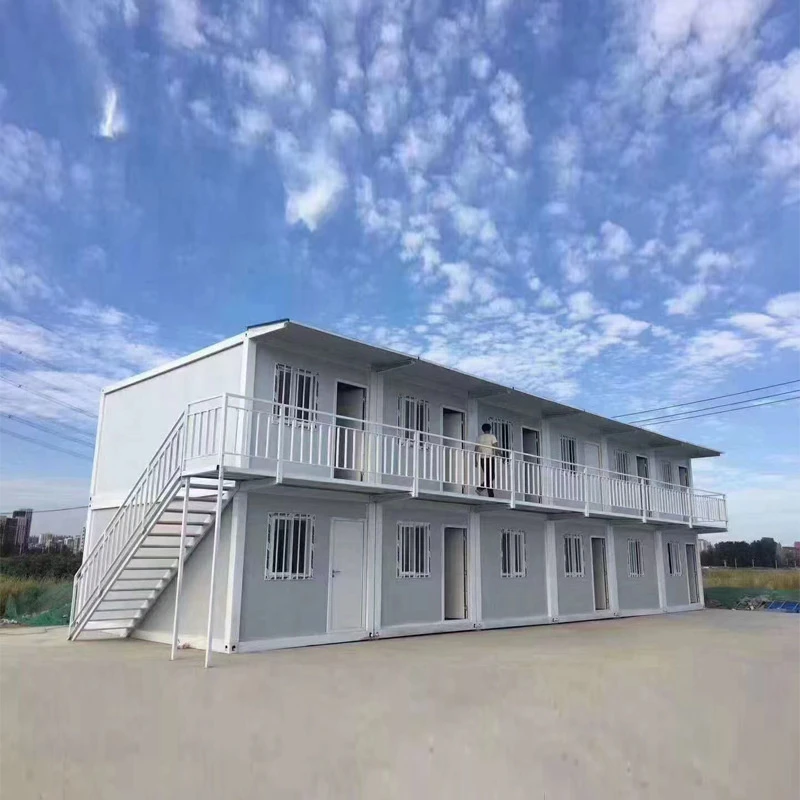
Types of Container Homes and Their Lifespan
There are different types of container homes, each with its own characteristics and potential lifespan.
Movable Container Homes
Movable container homes are designed to be transported easily. These homes often have a more modular design, which can make them more flexible but may also require more careful handling during transportation. If properly maintained and transported without damage, a movable container home can have a lifespan similar to a traditional container home, ranging from 25 to 50 years.
Prefabricated Container Homes
Prefabricated container homes are built in a factory setting and then transported to the site. The controlled factory environment allows for high - quality construction. With proper installation and maintenance, prefabricated container homes can last a long time, often up to 50 years or more.
Prefab Container Homes
Prefab container homes are similar to prefabricated ones but may have a more customized design. The lifespan of these homes also depends on the quality of materials, construction, and maintenance. A well - built prefab container home can have a lifespan comparable to other high - quality container homes.
Conclusion
The lifespan of a container home is influenced by multiple factors, including material quality, environmental conditions, maintenance, and design. With proper care and attention, a container home can provide a durable and long - lasting housing solution. If you're considering investing in a container home, I encourage you to reach out to discuss your specific needs. We have a wide range of container homes available, and our team of experts can help you select the right option for your lifestyle and budget. Whether you're interested in a movable, prefabricated, or prefab container home, we can guide you through the process to ensure you get a home that will stand the test of time.
References
- American Iron and Steel Institute. (2020). Steel Building Design Guide.
- International Code Council. (2018). International Residential Code.
- World Shipping Council. (2019). Shipping Container Standards and Specifications.