


Mobile Container Homes
Description
Technical Parameters
What Are Mobile Container Homes?
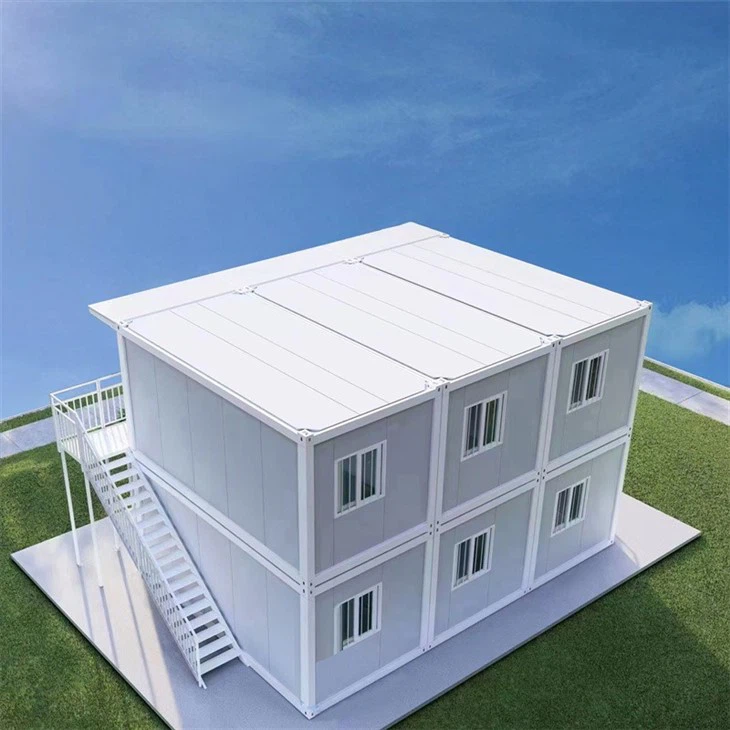
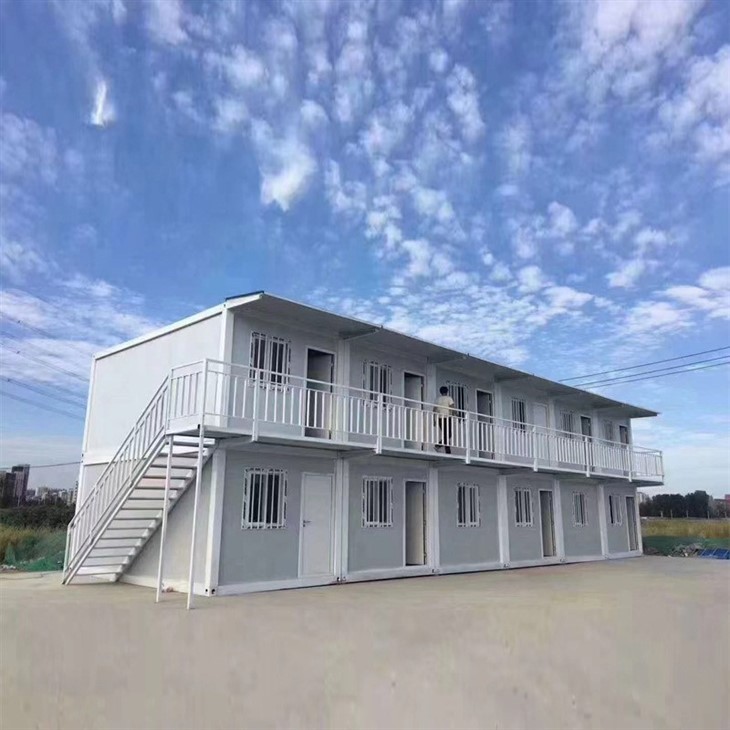
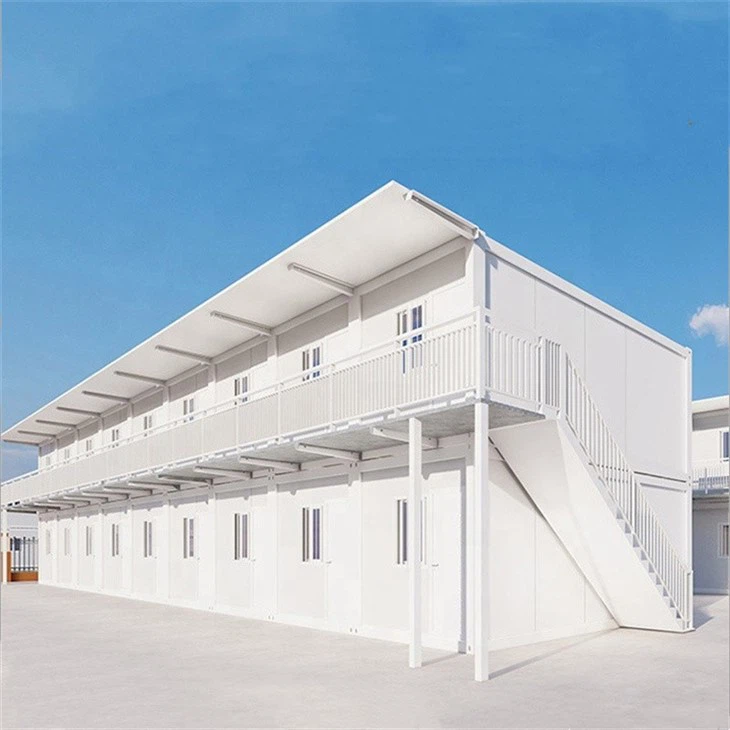
Mobile container homes are homes that are built from shipping containers, which are designed to be fully functional homes that can be transported easily. They are perfect for those who want an affordable and sustainable home that is also portable. The containers can be stacked and moved easily by trucks, trains or ships, making them popular for tiny homes, vacation homes, and emergency shelters. Unlike traditional homes, container homes are much more affordable and can be customized to meet the specific needs of the homeowner.
Advantages of Mobile Container Homes
Affordability: Mobile container homes are relatively cheap compared to traditional homes, making them a popular choice among people who cannot afford expensive housing.
Mobility: These homes are designed to be portable and can be relocated easily, making them suitable for people who move frequently.
Customizability: Container homes can be customized according to the individual's preferences, which include the design, layout, and features.
Durability: They are built using high-quality steel containers, which makes them resistant to harsh weather conditions, fire, and pests.
Environmental sustainability: Upcycling shipping containers into homes also promotes environmental sustainability by reducing the carbon footprint.
Security: Container homes are made of steel and are secure from all kinds of external threats, making them a safe accommodation option.
Quick construction: The construction of container homes is faster compared to traditional homes, making them a suitable solution for emergency housing or temporary accommodation.
Easy maintenance: These homes require minimal maintenance, as the materials used to construct them are durable and long-lasting.
Versatility: Container homes can be used for different purposes such as offices, retail stores, pop-up shops, classrooms, and studios, among others.
Energy efficiency: Container homes can be fitted with energy-efficient systems, such as solar panels, rainwater harvesting systems, and energy-efficient heating and cooling systems, making them eco-friendly homes.


Why Choose Us
The Company's Philosophy
FUDELAI is a world-class supplier manufacturing custom integrated bathroom and bathroom accessories,serving customers from R&D to full-scale production.
Corporate Strategy
We dedicate to the combination of iconic design forefront technology,and maximum comfort.Our products are being sold across the country and perfectly fit in with the standards in global.
Company Mission
FUDELAI implements modern enterprise management,adhering to the independent and innovative route by providing customers with eco-friendly,high-qualified,affordable and comfortable products.
Competitive Advantage
Our factory is approved by the government, ensuring that we meet all required standards. We have a team of professional R&D engineers who work to improve our products continuously. Additionally, we maintain strict quality control throughout the entire production process.
Living in a mobile container home has become an increasingly popular housing option, offering a range of benefits for those seeking a more flexible and sustainable lifestyle.
First and foremost, one of the main benefits of living in a mobile container home is its affordability. Container homes are often much more cost-effective than traditional houses, making them an attractive option for those looking to save money on housing expenses. The materials used to build container homes are readily available and relatively inexpensive, making them a more affordable housing option for many people.
Another advantage of living in a mobile container home is the flexibility it offers. Container homes can be easily transported to different locations, allowing residents to move whenever they desire without the need to sell their home. This flexibility is particularly appealing for those who enjoy traveling or who may need to relocate frequently for work or other reasons.
In addition to being affordable and flexible, mobile container homes are also environmentally friendly. By repurposing shipping containers that would otherwise go to waste, container homes help reduce the demand for new construction materials and minimize the environmental impact of building new homes. Additionally, many container homes are designed with energy-efficient features that can help reduce energy consumption and lower utility costs.
Living in a mobile container home also encourages a minimalist lifestyle, as residents must carefully consider their belongings and use space efficiently. This can lead to less clutter and a greater sense of organization in the home. Additionally, the small size of many container homes can encourage residents to spend more time outdoors and enjoy nature, promoting a healthier and more active lifestyle.
Living in a mobile container home offers numerous benefits, including affordability, flexibility, sustainability, and a minimalist lifestyle. As more people seek alternative housing options that are both practical and environmentally friendly, mobile container homes have emerged as a popular choice. Whether you are looking to downsize, travel frequently, or reduce your environmental footprint, living in a mobile container home may be an ideal solution for you.
Material of Mobile Container Homes
Fiberglass
Fiberglass is a strong and lightweight material that is used for the exterior of mobile container homes to provide insulation and protection from the sun and the rain.
Composite materials
Composite materials such as fiberglass-reinforced plastic or sandwich panels consisting of steel and foam are also used in mobile container homes to provide a balance between strength and weight.
Steel
Steel is the most common material used for mobile container homes as it is strong, durable, and resistant to the outdoor elements.
Aluminum
Aluminum is a lightweight material that is often used for mobile container homes due to its corrosion resistance and ease of transportation.
Wood
Wood is a common material used for the interior of mobile container homes as it provides a warm, natural feel to the living space.
Manufacturing Process of Mobile Container Homes
Mobile container homes are a type of modular housing that is built using repurposed shipping containers. The manufacturing process of mobile container homes typically involves several key steps:
Design and planning: The first step in manufacturing mobile container homes is to design the layout and structure of the house. This includes determining the number of containers to be used, their placement, and any modifications that need to be made to accommodate doors, windows, plumbing, and electrical systems.
Sourcing containers: Once the design is finalized, the next step is to source the shipping containers. These containers are typically made of steel and come in standard sizes such as 20 feet or 40 feet in length.
Preparation: Before construction can begin, the containers need to be cleaned and any rust or damage repaired. They may also be insulated to improve energy efficiency.
Cutting and welding: In order to create openings for doors and windows, as well as connect multiple containers together, cutting and welding are necessary steps in the manufacturing process. Skilled welders use specialized equipment to ensure that the containers are securely joined together.
Installation of doors and windows: Once the containers are connected, doors and windows can be installed. This step requires precision to ensure a proper fit and seal.
Interior finishing: After the basic structure is in place, interior finishing work can begin. This includes installing insulation, drywall, flooring, plumbing fixtures, electrical wiring, and any other necessary amenities.
Exterior finishing: Finally, the exterior of the mobile container house is finished with siding, paint, or other materials to provide weather protection and enhance aesthetics.
Quality control: Throughout the manufacturing process, quality control checks are performed to ensure that all work meets safety standards and building codes.
Transportation: Once construction is complete, mobile container homes can be transported to their final location using trucks or cranes.
Mobile container homes are becoming increasingly popular due to their affordability, sustainability, and flexibility. When it comes to durability, mobile container homes are known for their strength and resilience.
The materials used in constructing mobile container homes are typically steel, which is known for its durability and longevity. Steel is resistant to rust, corrosion, and pests, making it a reliable choice for building structures that need to withstand various weather conditions.
Mobile container homes are designed to be sturdy and structurally sound. The containers themselves are built to withstand the rigors of transportation across oceans on cargo ships, so they are inherently strong and durable. When properly reinforced and insulated during the conversion process into a living space, mobile container homes can be just as durable as traditional homes.Moreover, mobile container homes can be designed to meet specific building codes and standards to ensure their durability over time. By using high-quality materials and construction techniques, such as reinforced insulation, proper foundation support, and weatherproofing measures, mobile container homes can withstand harsh climates and environmental challenges.
Mobile container homes are generally considered to be durable structures that can provide a safe and comfortable living environment for their occupants. With proper maintenance and care, these innovative housing solutions can last for many years while offering a unique and sustainable living experience.
The flexibility of mobile container homes allows for creative and innovative designs to meet the diverse needs of individuals. From simple, minimalist layouts to more elaborate and spacious configurations, these homes can be tailored to reflect the unique style and preferences of their occupants. The adaptability of mobile container homes ensures that they can easily accommodate changing lifestyle requirements over time.
The sustainability aspect of mobile container homes contributes to their long-term durability. By repurposing steel containers that would otherwise be discarded, these homes help reduce waste and promote eco-friendly building practices. Additionally, the energy-efficient features that can be incorporated into mobile container homes, such as solar panels and green roofing systems, enhance their sustainability credentials and reduce utility costs for residents.
The combination of affordability, sustainability, flexibility, and durability makes mobile container homes a compelling choice for individuals seeking an innovative housing solution. With their strength to withstand various weather conditions, creative design possibilities, and environmentally friendly features, mobile container homes offer a unique opportunity to live comfortably while making a positive impact on the environment. By embracing this modern housing trend, individuals can enjoy a durable and sustainable living space that reflects their values and aspirations.
Parts of Mobile Container Homes
The base structure of a mobile container house is a steel shipping container. These containers are made from high-strength, corrosion-resistant corten steel, ensuring the house's durability and ability to withstand various weather conditions. The base structure can vary in size, typically ranging from 20 to 40 feet in length, providing a versatile foundation for customization.
Proper insulation is crucial for making container homes comfortable and energy-efficient. Insulation materials can include spray foam, panels, or blanket insulation, applied to the interior walls, roof, and sometimes the floor. This layer maintains internal temperatures, reduces energy costs, and minimizes external noise.
The interior walls and ceilings of container homes are typically constructed from lightweight materials such as drywall or plywood. These materials are used to divide the interior space into rooms and to create a more traditional home appearance inside. Electrical wiring and plumbing are often installed within these walls before they are finished and painted.
Cutting openings in the container walls allows for the installation of doors and windows, providing natural light and ventilation. These features are essential for creating a comfortable living environment. Doors and windows also enhance the aesthetic appeal of the container house and can be customized according to the owner's preferences.
Flooring options for container homes are diverse, ranging from original plywood floors reinforced and finished, to installing new materials such as laminate, hardwood, or tile. The choice of flooring depends on the desired look, budget, and use of the space.
While the original container roof is made of steel and can be left as is, many owners choose to modify or enhance it for better insulation, water drainage, or to install rooftop gardens or decks. Additional roofing materials or coatings can be applied for extra protection and insulation.
Mobile container homes are equipped with essential utilities and systems, including electrical, plumbing, heating, and cooling. These are integrated into the structure in a way that maximizes space and efficiency. Renewable energy sources, such as solar panels, can also be installed to further reduce the environmental impact and utility costs.
The exterior of a container home can be left largely unchanged for an industrial look or modified with various cladding materials like wood, metal, or composite panels to match the owner's style and provide additional insulation. Paints and treatments designed for metal surfaces are also used to protect against rust and weathering.
Mobile container homes do not typically have a traditional foundation like a permanent building. Instead, they are designed to be placed on a flat, stable surface, such as a concrete pad or asphalt. These surfaces provide enough support and stability for the container house to sit securely. Mobile container homes are versatile and can be easily relocated to different sites, offering flexibility and mobility that traditional homes do not have.
The design of mobile container homes allows for quick assembly and disassembly, making them ideal for temporary or emergency housing situations. In times of need, such as natural disasters or humanitarian crises, these portable homes can provide shelter and safety to those in distress.
The mobility of container houses enables them to be used for various purposes beyond housing. They can serve as pop-up shops, mobile clinics, or even creative workspaces, adding a touch of innovation and adaptability to different industries.
Despite not having amobile container permanent foundation, mobile container homes houses do not typically are engineered to withstand various environmental have a traditional foundation conditions through proper anch like aoring and permanent building. Instead support systems. By ensuring stability, they are designed to be in challenging terrains or weather conditions, placed on a flat, stable surface, such as a concrete pad or asphalt. These surfaces these portable structures prove to be resilient and reliable in provide enough support and stability for the container the face of adversity. House to sit securely. Mobile container homes are designed to be movable and transportable, which is why they don't have a permanent foundation. They are often used for temporary or transitional housing, such as construction worker camps, disaster relief shelters, or temporary office spaces. Depending on the use and location of the mobile container house, it may require additional support or anchoring to ensure stability. For example, if the container house is placed in an area prone to high winds or earthquakes, it may need to be secured with braces, tie-downs, or other anchoring systems. While mobile container homes don't have a traditional foundation, they are designed to be stable and secure on a suitable surface.
To enhance their mobility and flexibility, mobile container homes are equipped with features that allow for easy transportation and relocation. For instance, some designs incorporate wheels or lifting mechanisms that make it convenient to move the house from one location to another. This adaptability enables the housing units to be quickly deployed in various settings without the need for extensive construction work.
The interior of mobile container homes is often designed with space optimization in mind. Innovative layouts and multifunctional furniture maximize the use of limited space without sacrificing comfort or functionality. From compact kitchens to foldable beds and storage solutions, every inch is carefully planned to create a cozy living environment within the confines of the container structure.
How to Maintain Mobile Container Homes?

Keep it clean: Regularly clean the interior and exterior of the container house to prevent build-up of dirt, dust, and debris. Use a mild cleaning solution and a soft cloth when cleaning the walls, windows, floors, and other surfaces.
Check for leaks: Check the roof, doors and windows for any signs of leaks or damage. This helps prevent water from seeping into the container house, which can lead to mold growth and structural damage over time.
Inspect the foundation: Check the foundation of the container house periodically to ensure it's level and stable. Make adjustments if necessary to prevent the house from shifting or settling over time.
Maintain the HVAC system: Regularly check and maintain the HVAC system in the container house. Clean or replace air filters, check for leaks or damage in ducts, and make sure the system is functioning properly.
Inspect the plumbing: Check the plumbing system for any leaks or damage. Replace or repair any damaged pipes, valves, or fixtures.
Test the electrical system: Annually test electrical outlets and switches to ensure they are functioning properly. Replace any damaged or outdated wiring, and have the system inspected by a professional electrician every few years.
Keep pests at bay: Seal any cracks or gaps in walls and floors to prevent pests from entering the container house. Use pest control products as needed to prevent infestations.
Applications of Mobile Container Homes
The application of mobile container homes is varied and can be used in different industries and settings. Below are some of the most common applications of mobile container homes:
Temporary housing: Mobile container homes are a great solution for emergency and temporary housing. They can be quickly set up in disaster-stricken areas, refugee camps, and other emergency situations.
Workforce housing: Many industries including construction, mining, and oil and gas require workforce accommodation in remote locations. Mobile container homes are an affordable and easy-to-assemble solution to provide housing for workers.
Student housing: Increasingly, universities and colleges are turning to mobile container homes to provide affordable and easily installed housing solutions for students.
Remote offices: Mobile container homes can be used as remote offices for businesses in rural or off-grid locations. They are durable and can withstand harsh weather conditions.
Vacation homes: Mobile container homes can be used as vacation homes, cabins, and guest houses. They offer an affordable and sustainable way to enjoy off-grid living.
Torage units: Unused or modified mobile container homes can be repurposed into storage units for households and businesses.
Pop-up shops and restaurants: Mobile container homes can be used as pop-up shops and restaurants, providing a low-cost and mobile option for entrepreneurs and small business owners.
How to Choose Mobile Container Homes?
Quality of materials: When selecting a mobile container home, examine the quality of the materials used to build the structure. The building materials should be durable and sustainable, as well as resistant to harsh weather elements.
Floor plan: Consider the floor plan of the container home and ensure that it meets your needs. Look for a layout that offers enough space for your lifestyle and activities.
Mobility: Since container homes are mobile, choose a model that can be transported easily. Check the weight and size of the unit and consider how easily it can be transported to your desired location.
Cost: Assess the cost of the container home and compare it with the features and amenities offered. While cost is important, it shouldn't be your only consideration.
Reputation of the manufacturer: Select a reputable manufacturer with a proven track record of producing high-quality homes. Research online reviews and testimonials to get an idea of what other customers have experienced.
Sustainability: Sustainability is an important factor to consider when choosing a mobile container home. Ensure that the materials and construction methods used are eco-friendly and comply with local codes and regulations.
Upgrades and customization: Consider whether the manufacturer offers any upgrades or customization options. This will enable you to personalize your container home to your specific needs and preferences.
Mobile container homes have been gaining popularity due to their flexibility and versatility in providing affordable and sustainable housing solutions. These innovative dwellings are created by repurposing shipping containers, transforming them into modern living spaces that can be easily transported and adapted to various environments.
One of the key advantages of mobile container homes is their flexibility in design and layout. With the ability to stack, combine, and modify containers, homeowners have the freedom to create unique and personalized living spaces that suit their needs and preferences. From single-container studios to multi-container homes, the possibilities are endless when it comes to designing a container home.
In addition to their customizable nature, mobile container homes are also highly adaptable to different locations and climates. Their durable steel structures make them resilient to harsh weather conditions, while their mobility allows them to be easily transported to remote or temporary sites. This makes container homes ideal for disaster relief efforts, eco-tourism projects, or even as vacation homes in scenic locations.
Furthermore, mobile container homes are a sustainable housing option that promotes recycling and repurposing of materials. By giving new life to decommissioned shipping containers, these homes help reduce waste and minimize the environmental impact of construction. Additionally, container homes can be equipped with eco-friendly features such as solar panels, rainwater harvesting systems, and energy-efficient appliances to further enhance their sustainability.
In conclusion, mobile container homes represent a modern approach to housing that breaks boundaries in terms of design, functionality, and With their flexibility in design, adaptability to different environments, and eco-friendly characteristics, these innovative dwellings offer a promising solution for affordable and sustainable living. As the demand for alternative housing options continues to grow, mobile container homes are poised to play a significant role in shaping the future of residential architecture.
How to Maintain Mobile Container Homes?
Regular inspection: Conduct regular inspections to identify any issues early. Check for rust, structural damage, dents, or any signs of wear and tear. Pay special attention to the roof and base, as these areas are most susceptible to damage.
Rust prevention and treatment: Since containers are made of steel, they are prone to rust, especially in humid or coastal environments. To prevent rust, keep the container painted with rust-resistant paint. If rust does appear, treat it immediately by sanding the area down to bare metal and applying a primer and paint suitable for metal surfaces.
Sealant and waterproofing: Ensure all seals around doors, windows, and any openings are intact to prevent water ingress. Check and maintain the waterproofing on the roof and joints. Reapply sealant or caulking as necessary to keep the container watertight.
Ventilation: Proper ventilation is crucial to prevent condensation inside the container, which can lead to mold and mildew growth. Install vents or use dehumidifiers to maintain good air quality and prevent moisture buildup.
Insulation maintenance: If your container house is insulated, check the insulation regularly for any signs of dampness or degradation. Maintaining the insulation is key to keeping the container comfortable during temperature extremes.
Pest control: Containers can be susceptible to pests, especially if placed in rural areas. Regularly check for signs of pests and take appropriate measures to prevent infestation, such as sealing gaps and using environmentally friendly pest control methods.
Cleaning: Regular cleaning, both inside and out, can prevent buildup of dirt and grime that may eventually lead to damage. Use mild, non-abrasive cleaners to avoid damaging the paint and surfaces.
Foundation maintenance: Even though mobile container homes are often praised for their flexibility in placement, ensuring they are on a stable and level foundation is crucial. Check the foundation regularly for any signs of movement or settling and adjust as necessary.
Utilities and services: Regularly check and maintain any installed electrical, plumbing, and HVAC systems. Ensure that all connections are secure and that systems are operating efficiently.
Modifications and repairs: If you plan any modifications or need to make repairs, consult with professionals who have experience with container homes to ensure that the structural integrity of the container is not compromised.
Our Factory
FUDELAI has more than 15 year experience and specializes in design and manufacture of Shower Enclosures,Shower room,shower door,shower screen and other bathroom products.FUDELAI is integrating technology,production and sales all together.
FAQ
Q: Are shipping container homes safe in tornadoes?
Q: Are container homes good in cold weather?
Q: What are the hidden costs of shipping container homes?
Q: Are container homes hard to cool?
Q: How are container homes anchored?
Q: Do container homes need insulation?
Q: Are container homes rust proof?
Q: Are container homes earthquake proof?
Q: Is it safe to live in a container?
Q: How hot do container homes get?
Q: How long will a container house last?
Q: How stable are container homes?
Q: How safe are container homes?
Q: Are container homes hard to build?
Q: Do container homes have foundation?
Q: Are container homes hot in summer?
Q: Are container homes unhealthy?
Q: Are container homes safe in storms?
Q: Are container homes noisy?
Q: Are shipping container homes safe in lightning?
Hot Tags: mobile container homes, China mobile container homes manufacturers, suppliers, factory, Prefabricated Container Homes, , , studio container accommodation, Container House, Portable Container Homes
Product parameter:
|
Size |
6000*3000*2800mm |
Core thickness |
75mm |
|
Top frame roof |
0.5mm color steel |
Steel thickness |
0.35mm |
|
Ceiling |
0.3mm color steel tile |
Electric circuit |
1 light;3 sockets;1 switch |
|
Wall material |
Rock wool |
Main material |
Sandwich Panel, Steel |
Previous
Movable Container HomesSend Inquiry


