


Flat Pack Container Rooms
Description
Technical Parameters
Corporate Strategy
We are committed to combining iconic design with cutting-edge technology and maximum comfort. Our products are sold nationwide and meet global standards.
Company Mission
FUDELAI embraces modern enterprise management and follows an independent and innovative approach. We provide customers with eco-friendly, high-quality, affordable, and comfortable products.
The Company's Philosophy
FUDELAI is a world-class supplier specializing in custom integrated bathroom solutions and accessories. We support our customers through every stage, from research and development to full-scale production.
Our Factory
FUDELAI boasts over 15 years of experience and operates in a factory space of 10,000㎡. We achieve an annual production of 25,000 units. Our factory is government-approved and staffed with professional R&D engineers. We maintain strict quality control to ensure the highest standards.
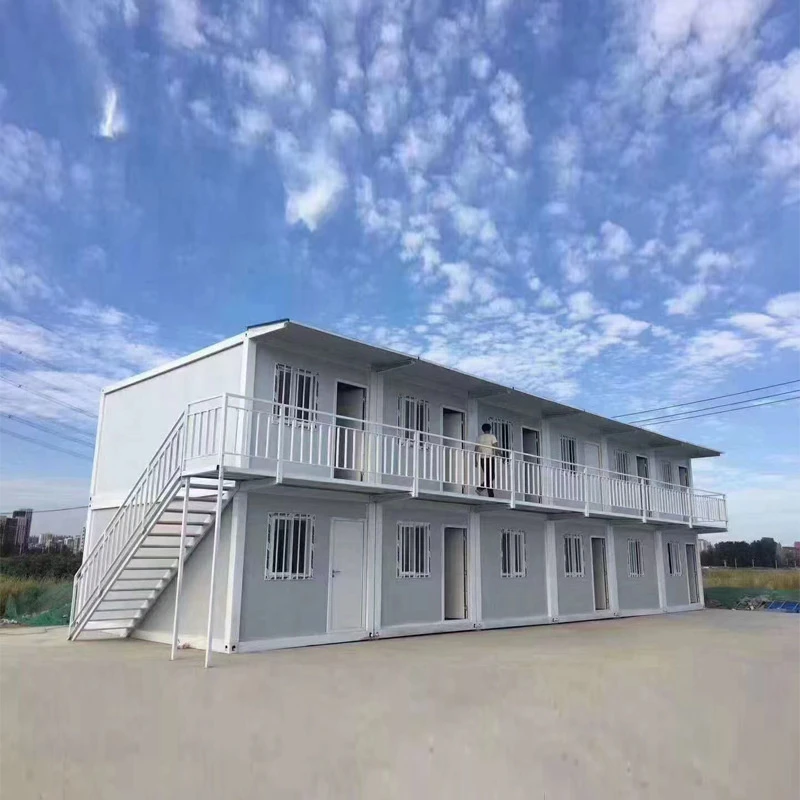
A flat pack container room is a collapsible, customizable shipping container that can be transported by hand and assembled on site. They are often made from rolled steel frames and insulated with panels, and can be as wind and watertight as regular shipping containers.
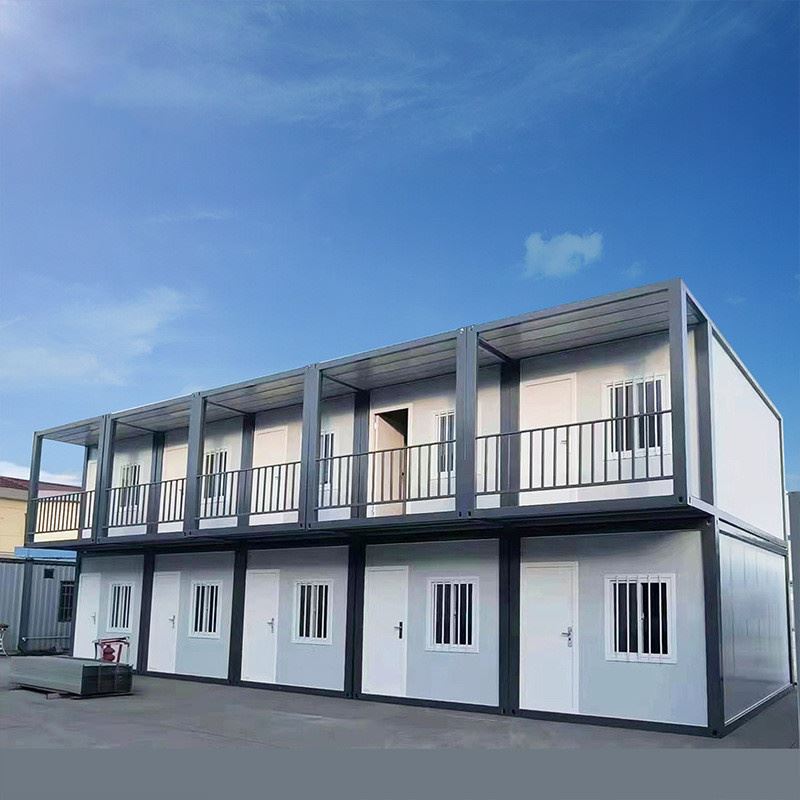
Portable container rooms, also known as mobile storage containers or portable storage units, are large, weather-resistant boxes that can be used to store items and can be transported to a new location or storage facility.
Detachable Container Room, also known as "detachable container house", is a kind of container room. Detachable container house is made of frame and wall panels, no welding, completely screwed.

Modular Container Rooms, also known as prefabricated or prefab buildings, are structures created by joining shipping containers to form larger, customizable spaces. They are often used for temporary or emergency buildings, such as site offices, commercial spaces, hospitals, schools, and construction projects.
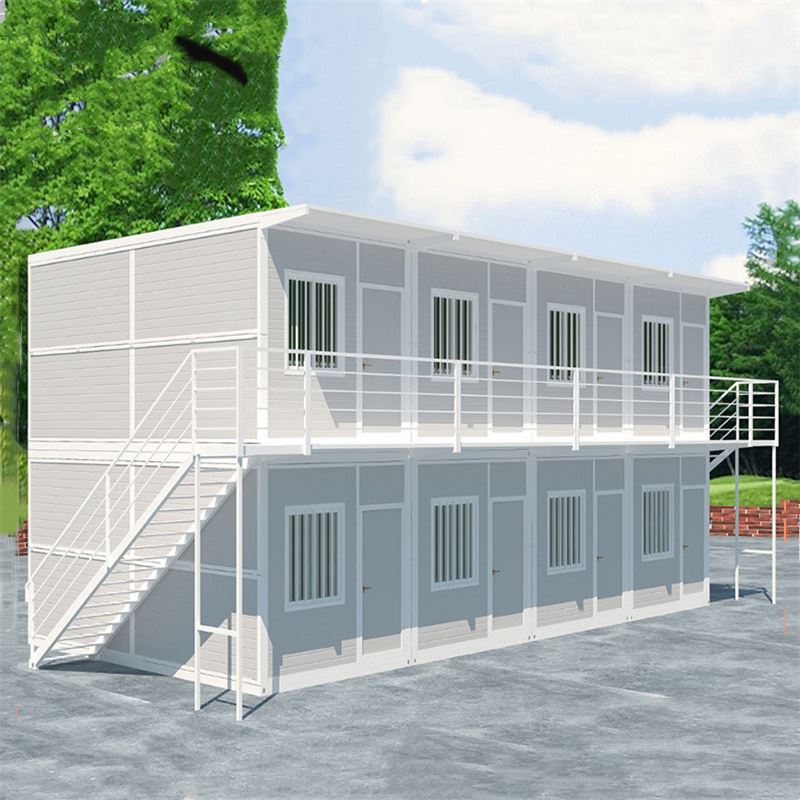
Folding Container Rooms are innovative prefabricated structures that offer a unique blend of flexibility, efficiency, and sustainability. They have gained popularity due to their relatively low cost, rapid installation times, and minimal environmental impact. A typical folding container room can be set up in a matter of hours, and once assembled, it looks and feels much like a conventional home.

Expandable Container Rooms are shipping container frames that have been fully customized. Once placed on-site at your chosen location, they can be expanded into a comfortable small living space. With plenty of flexibility in the interior design, you can opt for a traditional house layout or customize the interior to suit your personal style.

The foldable container roome is a modified container that can easily fold or disassemble all the parts, referring to the main parts of the foldable container room (side walls, end walls, box top, etc). The foldable container room is composed of a base, a left wall, a right wall, a front door wall, a rear wall, and a roof.
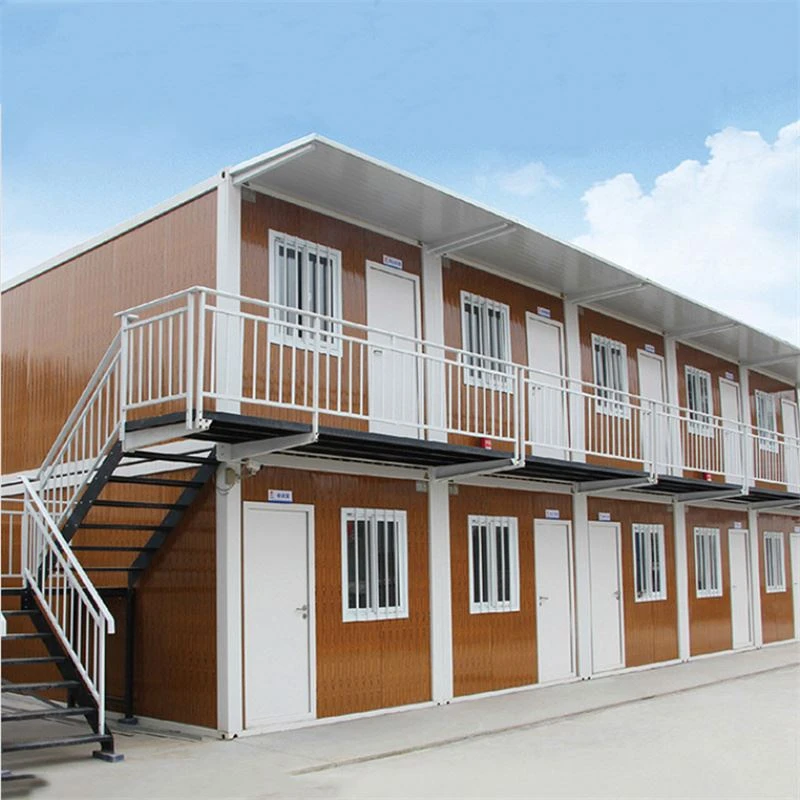
Convenient disassembly, short equipment construction period, fast installation speed, suitable for emergency engineering needs. The structure is compact and can be flexibly moved and reused. The housing is explained to be durable, of good quality, and to be sturdy for a long time of use. Complete specifications support customization, with sufficient inventory.
Prefabricated Container Rooms are robust with a highly-galvanized and painted structure. Modules delivered ready to assemble in just a few hours. The modules are easily moved by lift hooks. The modules can be placed side by side and on top of each other to form a modular building of one or more levels.
What Is Flat Pack Container Rooms
A flat-pack container house is a small, self-contained dwelling that can be assembled and disassembled within a couple of days. It's extremely portable and easy to travel with and live in.
ADVANTAGES OF FLAT-PACK CONTAINER HOUSES
Cost-Effective
Flat-pack container houses are an affordable alternative to traditional brick-and-mortar homes. The construction cost is significantly lower as the materials are readily available and the construction process is simplified. Moreover, the use of pre-fabricated components reduces the amount of labor required, making it more cost-effective.
Environmentally Friendly
Flat-pack container houses are environmentally friendly as they are constructed from used shipping containers, which are repurposed instead of discarded. The use of pre-fabricated components reduces waste and the need for additional materials.
Furthermore, the energy required for construction is significantly less than that required for a traditional home.
Versatile
Flat-pack container houses are versatile in design and can be customized to meet different specifications. The containers can be modified to create different layouts and floor plans, allowing for flexibility in design. Adding or removing containers also allows for the expansion or downsizing of the living space.
Durability
Shipping containers are designed to withstand harsh weather conditions, making them durable and long-lasting. They are also resistant to pests and are fireproof, making them a safe and secure living space.
Quick Construction
Constructing a flat-pack container house is quick and efficient as the pre-fabricated components are designed to fit together easily. This means that the construction process can be completed in a shorter time than traditional homes.
Choosing a flat pack container house involves careful consideration of various factors to ensure that the structure meets your needs in terms of functionality, aesthetics, and budget. Here's a guide to help you make an informed decision:
Purpose and Design:
Define Your Purpose: Determine the intended use of the flat pack container house. Whether it's for a temporary residence, office space, or other purposes, knowing the intended use will guide your design choices.
Customization Options: Look for suppliers that offer customization options. This includes the ability to choose the layout, size, and interior design to meet your specific requirements.
Material and Quality:
Construction Material: Check the materials used in the construction of the container house. High-quality steel is commonly used for durability and structural integrity.
Insulation: Consider the insulation provided in the container. Proper insulation is crucial for maintaining comfortable temperatures inside the structure.
Size and Layout:
Choose the Right Size: Determine the size of the container house based on your space requirements and available land. Common sizes include 20ft and 40ft containers.
Layout Options: Consider the layout options available. Some suppliers offer flexible interior configurations to accommodate different needs.
Permits and Regulations:
Local Regulations: Check local zoning regulations and building codes to ensure that the container house complies with all necessary permits and regulations in your area.
Ease of Assembly:
Flat Pack Design: The appeal of a flat pack container house lies in its ease of assembly. Ensure that the flat pack design is user-friendly and inquire about the complexity of assembly to assess whether you or a professional team can handle it.
Transportation and Delivery:
Delivery Options: Inquire about delivery options and associated costs. Flat pack containers are designed to be transported efficiently, but it's essential to confirm the logistics with the supplier.
Cost and Budget:
Cost Transparency: Request a detailed breakdown of costs, including the container, customization, delivery, and assembly. Be clear about your budget constraints and evaluate options that fit within your financial plan.
Supplier Reputation:
Research Suppliers: Look for reputable suppliers with a track record of delivering quality container houses. Check customer reviews, testimonials, and ask for references if necessary.
Durability and Weather Resistance:
Corrosion Resistance: Containers should be treated to resist corrosion, especially if you are in an area prone to high humidity or salt exposure.
Weatherproofing: Ensure that the container house is designed to withstand weather conditions in your location. This includes wind resistance, water tightness, and insulation for temperature control.
Utilities and Amenities:
Utilities Integration: If you require plumbing, electrical, or HVAC systems, check if the container house design accommodates these needs.
Amenities: Consider any additional amenities you may need, such as windows, doors, or built-in storage options.
Future Expansion Options:
Scalability: If you anticipate future expansion, inquire about the scalability of the container house. Some designs allow for the addition of more containers or modular components.
Sustainability:
Eco-Friendly Options: If environmental sustainability is a priority, inquire about eco-friendly materials and design features. Some container houses are built with recycled materials.
Flat Pack Container House Application
Disaster Settlement Application
Container settlement houses have unparalleled advantages in the disaster area. The building form has good seismic and wind resistance, and the wall has a good advantage in heat insulation.
High-tech Applications
Container houses are not only used in residential and commercial applications, but also in the transformation in high-tech fields. At present, the domestic hot-selling container unmanned supermarkets gather the most advanced technical support in the domestic technology field, such as big data, biometrics, artificial intelligence, and many other technologies.
Commercial Application
Container houses make full use of the advantages of flexible combinations, convenient movement, and free decoration, and they can be widely used for shop, showroom, theater and
so on.
Construction Application
The construction application of container houses is mainly a container office. On the one hand,containers can be used as an office; on the other hand, containers can be turned into accommodation, shower rooms, and other uses.
Military Application
Tailor-made container barracks are an outstanding example of the military application of container houses. The container barracks not only meet the time-critical requirements of the rapid maneuver deployment and rapid camping, but also ensure the simple use – ensuring that the bedsheets, telephones and other items in the room will not fall during the temporary transition.
1) The Floor Frame
2) Cement Board
3) Glue
4) PVC Floor Leather
Flat Pack Container House Roof Structure
1) The Roof Frame
2) PE Film
3) Glass Wool
4) Roof Sheet
Installation Steps for Flat Pack Container Rooms
1.After opening the flat pack container house, move the roof away from the sides and remove the integrated structure from the packing box. Lay out the components in preparation for installation.
2.Connect the columns to the upper and lower frames using bolts. Measure the diagonals of all four facades and use a level to ensure there are no gaps before proceeding with the wall panel installation.
3.Install the hidden downpipes, arrange the wall panels, doors, and windows according to the specified requirements. Ensure that the wall panels are tightly spliced without gaps during installation, as this step is crucial for the waterproofing of the house.
4.Finally, install indoor and outdoor accessories, lay the indoor electrical lines, install ceiling panels, and set up lights and switch sockets. Apply waterproof glue to the indoor and outdoor connections.
Flat pack container houses have become a popular choice for those seeking affordable and sustainable housing solutions. These modular homes are easy to assemble and can be customized to fit the needs of the homeowner. However, like any other type of home, flat pack container houses require regular maintenance to ensure they remain in good condition and last for years to come.
One of the most important aspects of maintaining a flat pack container house is proper cleaning. Regular cleaning not only keeps the house looking its best but also helps prevent damage and deterioration. To clean your flat pack container house, start by removing any debris or dirt from the exterior walls and roof. Use a soft brush or cloth to gently scrub away any dirt or grime. Avoid using harsh chemicals or abrasive cleaners, as these can damage the finish of the container.
Once the exterior is clean, move on to the interior of the house. Dust and vacuum regularly to keep the interior clean and free of allergens. Pay special attention to areas prone to moisture, such as the bathroom and kitchen, as mold and mildew can quickly develop in these areas. Use a mild detergent and water to clean surfaces, and be sure to dry them thoroughly to prevent water damage.
In addition to regular cleaning, it is important to inspect your flat pack container house for any signs of damage or wear. Check the exterior walls and roof for any cracks, dents, or rust spots. If you notice any damage, it is important to address it promptly to prevent further deterioration. Repair any cracks or dents with a suitable sealant, and treat any rust spots with a rust inhibitor to prevent them from spreading.
Another important aspect of maintaining a flat pack container house is ensuring proper ventilation. Proper ventilation helps prevent moisture buildup, which can lead to mold and mildew growth. Make sure that vents are clear and unobstructed, and consider installing a dehumidifier in areas prone to moisture buildup. Additionally, open windows and doors regularly to allow fresh air to circulate throughout the house.
Regularly inspect the plumbing and electrical systems in your flat pack container house to ensure they are in good working order. Check for any leaks or clogs in the plumbing, and have them repaired promptly to prevent water damage. Inspect electrical outlets and wiring for any signs of damage, and have them repaired by a qualified electrician if necessary.
Finally, consider investing in a maintenance schedule for your flat pack container house. Create a checklist of tasks that need to be completed regularly, such as cleaning, inspecting for damage, and checking the plumbing and electrical systems. By staying on top of maintenance tasks, you can ensure that your flat pack container house remains in good condition and continues to provide a comfortable and sustainable living space for years to come.
In conclusion, proper cleaning and maintenance are essential for keeping your flat pack container house in good condition. By following these tips and staying on top of maintenance tasks, you can ensure that your modular home remains a safe and comfortable living space for years to come.
Our Factory
FUDELAI has more than 15 years of experience and specializes in the design and manufacture of shower enclosures, shower rooms, shower doors, shower screens, and other bathroom products. FUDELAI integrates technology, production, and sales. We have the largest and most efficient production machines, complemented by a hardworking team with 15 years of experience.


FAQ
Hot Tags: flat pack container rooms, China flat pack container rooms manufacturers, suppliers, factory, container cargo, container soundproofing, container circuit breaker, container exterior finish, container hvac system, container shelf
Flat Pack Container Rooms parameter:
|
Outer size |
L5800*W2400*H2896mm |
Inner size |
L5540*W2140*H2580mm |
|
Top frame roof |
0.5mm color steel |
Steel thickness |
0.35mm |
|
Ceiling |
0.3mm color steel tile |
Electric circuit |
1 light;3 sockets;1 switch |
|
Wall material |
Rock wool |
Main material |
Sandwich Panel, Steel |
Previous
No InformationSend Inquiry


