

Are container homes resistant to termites?
Jul 14, 2025
Leave a message
Are Container Homes Resistant to Termites?
As a supplier of container homes, I often get asked about the durability and resistance of these unique dwellings. One of the most common concerns is whether container homes are resistant to termites. In this blog post, I'll explore this topic in detail, drawing on scientific knowledge and real - world experience.
Understanding Termite Behavior
Termites are small insects that feed on cellulose, a major component of wood. They live in large colonies and can cause significant damage to wooden structures over time. There are different types of termites, including subterranean termites, which build their nests in the soil and tunnel up to reach wooden structures, and drywood termites, which can infest dry wood without needing contact with the soil.
The key to understanding a structure's susceptibility to termites lies in the materials it is made of. Since termites are attracted to cellulose, any structure with a high cellulose content is at risk. Traditional wooden homes are particularly vulnerable, as the wooden frames, floors, and walls provide an ideal food source for these pests.
Container Homes: Material Composition
Container homes are primarily made from steel shipping containers. Steel is a non - cellulose material, which means it does not provide a food source for termites. This fundamental difference in material composition gives container homes a significant advantage in terms of termite resistance.
The steel used in shipping containers is usually made of high - strength alloy, which is not only durable but also resistant to the chemical and biological agents that termites use to break down wood. Additionally, the smooth surface of the steel makes it difficult for termites to establish a foothold and build their colonies.
However, it's important to note that not all parts of a container home are made of steel. Many container homes have interior finishes, insulation, and wooden fixtures such as cabinets, shelves, and door frames. These wooden components are at risk of termite infestation if they are not properly treated or protected.
Interior Finishes and Termite Risk
When it comes to interior finishes, there are several options available for container home owners. Some may choose to use natural wood for a warm and rustic look. While natural wood can enhance the aesthetic appeal of a home, it also increases the risk of termite infestation.
To mitigate this risk, it's essential to use treated wood. Pressure - treated wood is impregnated with chemicals that make it resistant to termites and other pests. These chemicals can deter termites from feeding on the wood and prevent them from establishing colonies.
Another option is to use alternative materials such as composite wood or engineered wood products. These materials are made from a combination of wood fibers and resins, which are less attractive to termites than natural wood. They also offer the advantage of being more dimensionally stable and less prone to warping and cracking.
Insulation and Termite Protection
Insulation is an important component of any home, as it helps to regulate temperature and reduce energy consumption. In container homes, insulation can be a potential area of concern when it comes to termite resistance.
Some types of insulation, such as cellulose insulation, are made from recycled paper and are therefore a potential food source for termites. However, there are many termite - resistant insulation options available. Foam insulation, for example, is made from synthetic materials and does not contain cellulose. It provides excellent insulation properties and is also resistant to termites and other pests.
Mineral wool insulation is another good choice. It is made from rock or slag fibers and is non - combustible, fire - resistant, and termite - resistant. By choosing the right insulation material, container home owners can protect their homes from termite infestations while maintaining energy efficiency.
Preventive Measures for Container Homes
Even though container homes have a natural advantage in terms of termite resistance, it's still important to take preventive measures to ensure long - term protection. Here are some tips:
- Regular Inspections: Conduct regular inspections of your container home, especially in areas where wooden components are present. Look for signs of termite activity, such as mud tubes, discarded wings, or small holes in the wood.
- Maintain a Clean Environment: Keep the area around your container home clean and free of debris. Termites are attracted to piles of wood, leaves, and other organic matter. By removing these potential food sources, you can reduce the risk of termite infestation.
- Seal Cracks and Gaps: Seal any cracks or gaps in the container walls and floors to prevent termites from entering the home. Use caulk or other sealants to fill these openings.
- Proper Ventilation: Ensure proper ventilation in your container home to prevent moisture buildup. Termites are attracted to moist environments, so keeping the home dry can help deter them.
Our Container Home Offerings
At our company, we offer a wide range of container homes, including Movable Container Homes, Flat Pack Container Homes, and Portable Container Homes. All of our homes are designed with termite resistance in mind.
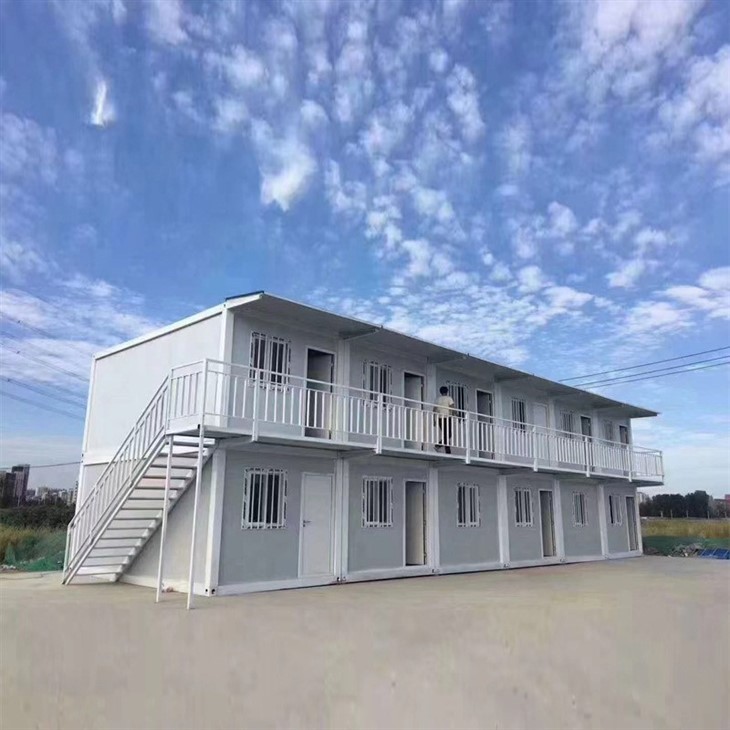

We use high - quality steel for the containers and offer a variety of termite - resistant interior finishes and insulation options. Our team of experts can also provide advice on preventive measures and maintenance to ensure that your container home remains termite - free for years to come.
Conclusion
In conclusion, container homes are generally resistant to termites due to their steel construction. However, it's important to be aware of the potential risks associated with wooden components and take appropriate preventive measures. By choosing the right materials, conducting regular inspections, and maintaining a clean and dry environment, container home owners can enjoy the many benefits of these unique dwellings without having to worry about termite infestations.
If you're interested in learning more about our container homes or have any questions about termite resistance, we encourage you to contact us for a detailed discussion. We're here to help you find the perfect container home solution for your needs.
References
- Potter, M. F., & Hillery, N. L. (2002). "Termite Management in and Around the Home". University of Kentucky College of Agriculture.
- Grace, J. K., & Su, N. Y. (2001). "Termite Management: Challenges and Opportunities". Annual Review of Entomology.