

Can mobile container houses be connected together?
Jun 23, 2025
Leave a message
Can mobile container houses be connected together? This is a question that many potential buyers and construction enthusiasts often ask. As a supplier of Mobile Container Houses, I'm here to provide a detailed and scientific answer to this question.
The Feasibility of Connecting Mobile Container Houses
First and foremost, the answer is yes, mobile container houses can be connected together. Mobile container houses are designed with modularity in mind, which means they are built in standardized units that can be easily combined and assembled. The basic structure of a container house is made of steel frames and panels, providing a solid foundation for connection.
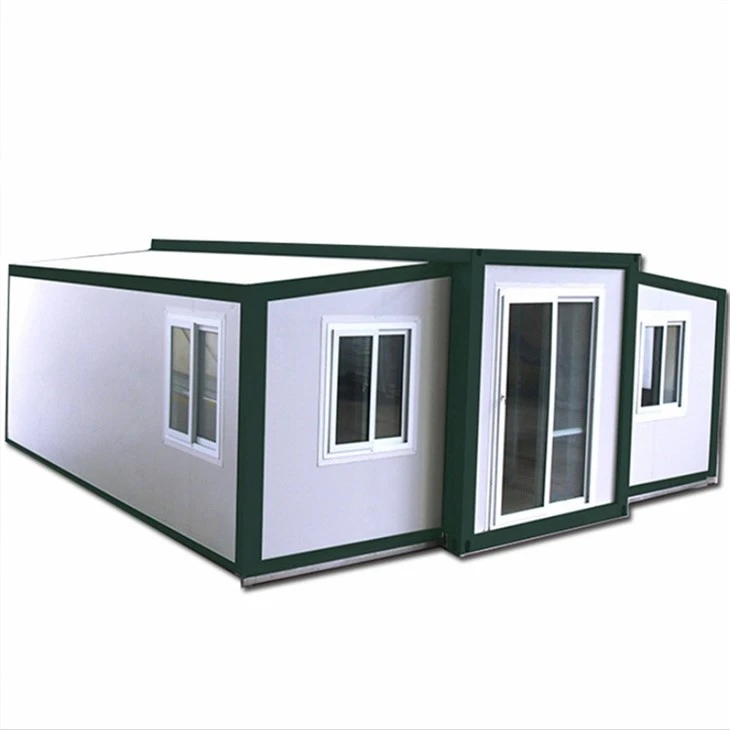
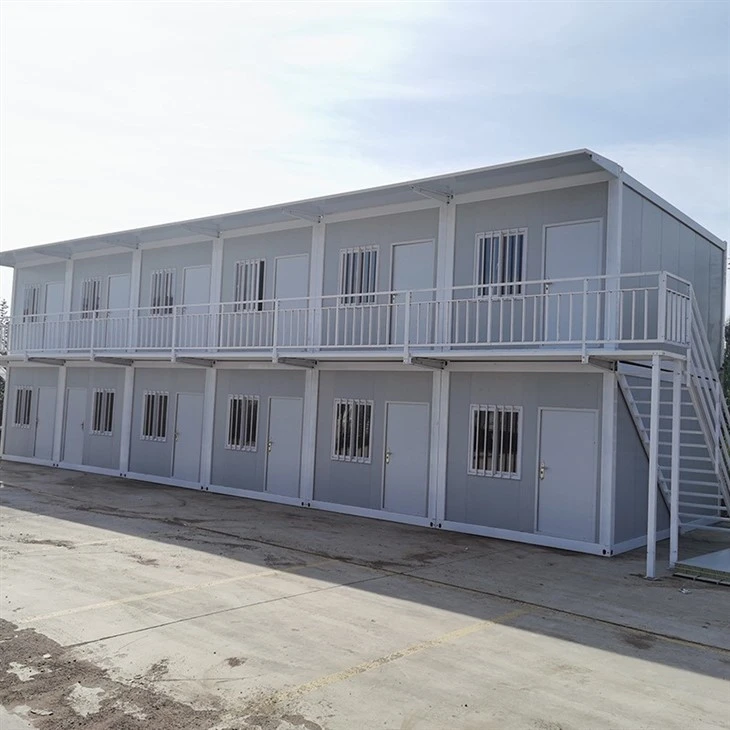
One of the key factors that make it possible to connect mobile container houses is the use of standardized dimensions. Most container houses follow international standards, such as the 20 - foot and 40 - foot containers. These standardized sizes ensure that different container units can fit together seamlessly, whether it's side - by - side or end - to - end.
Advantages of Connecting Mobile Container Houses
1. Space Expansion
The most obvious advantage of connecting mobile container houses is the ability to expand the living or working space. For example, if a single mobile container house provides around 20 square meters of space, connecting two or more units can double or triple the available area. This is particularly useful for large - scale projects such as community centers, schools, or multi - family housing.
2. Cost - Efficiency
Compared to building a large, single - unit building from scratch, connecting mobile container houses can be more cost - effective. The prefabrication process of container houses reduces labor and material costs, and by connecting existing units, you can save on additional construction time and expenses.
3. Flexibility and Customization
Connecting container houses allows for a high degree of flexibility and customization. You can design the layout according to your specific needs, creating different rooms, corridors, and even multi - story structures. For instance, you can connect several container houses side by side to form a long, open - plan living area, or stack them vertically to build a two - story house.
Methods of Connecting Mobile Container Houses
1. Structural Connection
The structural connection is the most important aspect of joining container houses. This usually involves using steel brackets, bolts, and welding techniques to secure the frames of the containers together. Professional engineers need to ensure that the connection can withstand various loads, including wind, earthquake, and the weight of the structure itself.
2. Sealing and Insulation
After the structural connection, proper sealing and insulation are necessary to prevent water leakage and heat transfer. Special sealing materials are used around the joints to create a waterproof and airtight seal. Insulation materials can also be added to the walls and roofs to improve energy efficiency.
3. Interior and Exterior Finishing
Once the containers are connected, the interior and exterior finishing work can be carried out. This includes installing doors, windows, electrical systems, plumbing, and applying paint or other decorative materials. The finishing work can transform the connected container houses into a comfortable and aesthetically pleasing living or working environment.
Examples of Connected Mobile Container House Projects
There are numerous successful examples of connected mobile container house projects around the world. For instance, in some urban areas, container houses have been connected to form affordable housing complexes. These complexes not only provide shelter for low - income families but also contribute to the sustainable development of the city by reusing shipping containers.
Another example is the use of connected container houses in disaster - relief areas. Quick - to - assemble and easily transportable, these structures can be rapidly connected to provide temporary shelters, medical facilities, and schools for the affected population.
Comparison with Other Types of Container Houses
In addition to mobile container houses, there are also Expandable Container Houses and Prefabricated Container Houses. Expandable container houses can increase their floor area by unfolding or extending parts of the structure. While they offer a convenient way to expand space, they may have limitations in terms of the degree of expansion and the complexity of the connection when compared to simply connecting multiple mobile container houses.
Prefabricated container houses are pre - built in factories and then transported to the construction site. Similar to mobile container houses, they can also be connected. However, the prefabrication process of prefabricated container houses may be more complex, and the connection method may need to be adjusted according to the specific design of the units.
Considerations for Connecting Mobile Container Houses
1. Local Building Codes and Regulations
Before starting a project of connecting mobile container houses, it is crucial to check the local building codes and regulations. Different regions may have specific requirements regarding the design, construction, and safety of container houses. Obtaining the necessary permits is essential to ensure the legality of the project.
2. Professional Installation
Connecting mobile container houses is a technical task that requires professional skills and experience. Hiring a qualified construction team is recommended to ensure the quality and safety of the connection. They can handle the structural design, installation, and finishing work in accordance with industry standards.
3. Long - Term Maintenance
Like any other building, connected mobile container houses require regular maintenance. This includes checking the structural integrity, inspecting the sealing and insulation, and maintaining the electrical and plumbing systems. A proper maintenance plan can extend the service life of the connected container houses.
Conclusion
In conclusion, mobile container houses can definitely be connected together, offering a flexible, cost - effective, and sustainable solution for various construction needs. Whether it's for housing, commercial, or disaster - relief purposes, the ability to connect container houses provides a great deal of design freedom and functionality.
If you are interested in our Mobile Container Houses and want to explore the possibility of connecting them for your project, please feel free to contact us for more information and to start a procurement negotiation. We have a professional team ready to assist you from design to installation, ensuring that your container house project meets your expectations.
References
- "Container Architecture: Innovative Design with Shipping Containers" by Rob Schuwerk and Jonathan Spear.
- "The Container House: Building with Shipping Containers" by Andrew Maynard.
- Research papers on sustainable construction and modular building technologies.