

What are the disadvantages of a container home?
Jun 23, 2025
Leave a message
As a supplier of container homes, I've witnessed firsthand the growing popularity of these innovative dwellings. Container homes offer numerous advantages, such as cost - effectiveness, sustainability, and quick construction. However, it's essential to provide a balanced view and discuss the potential disadvantages of container homes. This blog post aims to explore these drawbacks in detail, helping potential buyers make informed decisions.
Limited Space and Layout Constraints
One of the most significant disadvantages of container homes is the limited space. Standard shipping containers typically come in sizes like 20 - foot and 40 - foot lengths. While these dimensions can be sufficient for some single - person or small - family living arrangements, they can feel cramped for larger households.
The rectangular shape of containers also imposes constraints on the layout. Creating an open - concept floor plan can be challenging because the container's structure consists of rigid walls and corners. Unlike traditional homes, where architects can design custom floor plans, container homes often require creative solutions to make the most of the available space. For example, fitting a large living room, a spacious kitchen, and multiple bedrooms into a single or even multiple connected containers can be a real puzzle. This limitation may not suit those who desire a more expansive and flexible living environment.
Insulation Challenges
Container homes are made of metal, which is a good conductor of heat and cold. This means that without proper insulation, container homes can be extremely hot in the summer and cold in the winter. Maintaining a comfortable indoor temperature can be a struggle, and it often requires significant energy consumption for heating and cooling systems.
Inadequate insulation can also lead to condensation issues. When warm, moist air comes into contact with the cold metal surface of the container, it can cause water droplets to form on the walls. This condensation can promote the growth of mold and mildew, which not only damages the interior of the home but also poses health risks to the occupants.
To address these insulation problems, additional insulation materials need to be installed. This adds to the overall cost of the container home. Moreover, the installation process can be complex, especially since the metal surface of the container requires special techniques to ensure proper adhesion of the insulation.
Durability and Rust
Although shipping containers are designed to withstand harsh conditions during transportation, they are still susceptible to rust and corrosion when used as homes. The metal used in containers is exposed to the elements, and over time, moisture and oxygen can cause rust to form. Rust not only affects the aesthetic appeal of the container home but also weakens the structural integrity of the container.
Regular maintenance is required to prevent rust from spreading. This may involve applying anti - rust coatings and conducting routine inspections. However, even with proper maintenance, the risk of rust cannot be completely eliminated. In areas with high humidity or near the ocean, the problem of rust is even more pronounced.
Noise Transmission
Metal is a highly conductive material for sound. As a result, container homes can be noisy. External noises, such as traffic, wind, and rain, can easily penetrate the container walls and disrupt the peace inside the home. This can be a significant drawback, especially for those who value a quiet living environment.
Internal noises can also be a problem. Sounds from appliances, footsteps, and conversations can echo within the metal structure, creating a less comfortable living experience. To reduce noise transmission, additional sound - proofing materials need to be installed. This, again, adds to the cost and complexity of the container home.
Foundation and Mobility Limitations
Container homes need a proper foundation to ensure stability. Unlike traditional homes, which can be built on a variety of foundation types, container homes often require a specialized foundation due to their unique structure. The weight of the container and its contents must be evenly distributed to prevent settling or tilting.
Moreover, while container homes are often touted as portable, moving a container home can be a complex and expensive process. Once a container home is installed on a foundation, relocating it requires heavy - duty equipment, such as cranes and trucks. There are also logistical challenges, such as obtaining the necessary permits for transportation and finding a suitable new location with an appropriate foundation.
Aesthetic and Zoning Issues
Container homes may not fit in with the traditional aesthetic of many neighborhoods. Their industrial appearance can be a turn - off for some people, and it may also face resistance from neighbors and local community members.
Zoning regulations can also pose a significant obstacle. Many local governments have strict building codes and zoning laws that may not allow for container homes. These regulations are in place to ensure the safety, health, and aesthetic standards of the community. Before purchasing a container home, it's crucial to check with the local authorities to determine if it is permitted in the desired location. This can be a time - consuming and frustrating process, and in some cases, it may even prevent the construction of a container home altogether.
Cost Considerations
While container homes are often considered cost - effective compared to traditional homes, the initial cost savings can be offset by additional expenses. As mentioned earlier, the cost of insulation, sound - proofing, and proper foundation installation can add up quickly. There may also be unforeseen costs during the construction process, such as modifications to meet local building codes.
In addition, the long - term maintenance costs of container homes should not be underestimated. The need for regular inspections, rust prevention, and potential repairs can result in significant ongoing expenses.
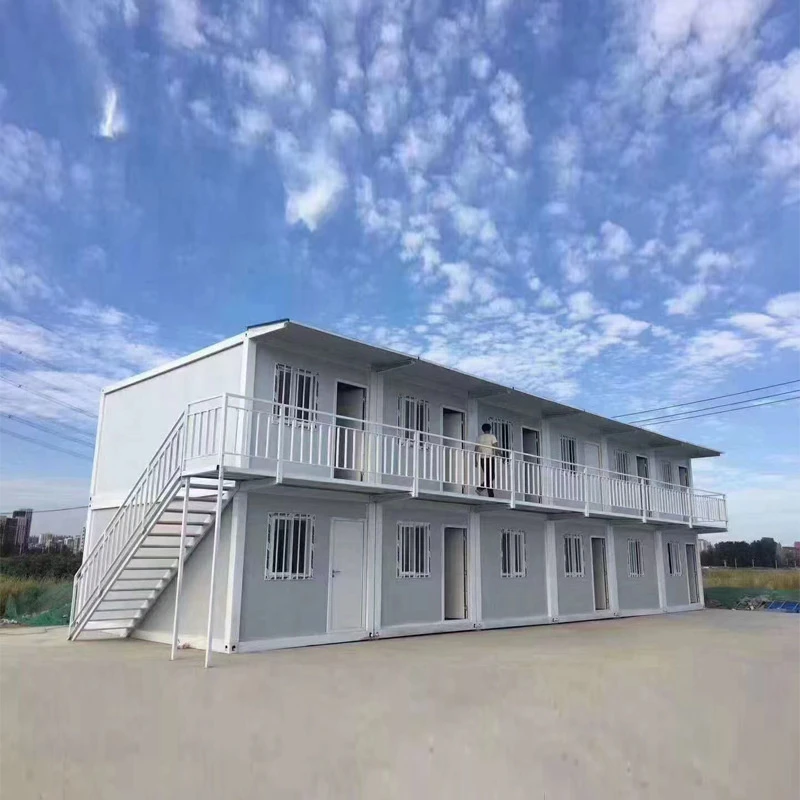
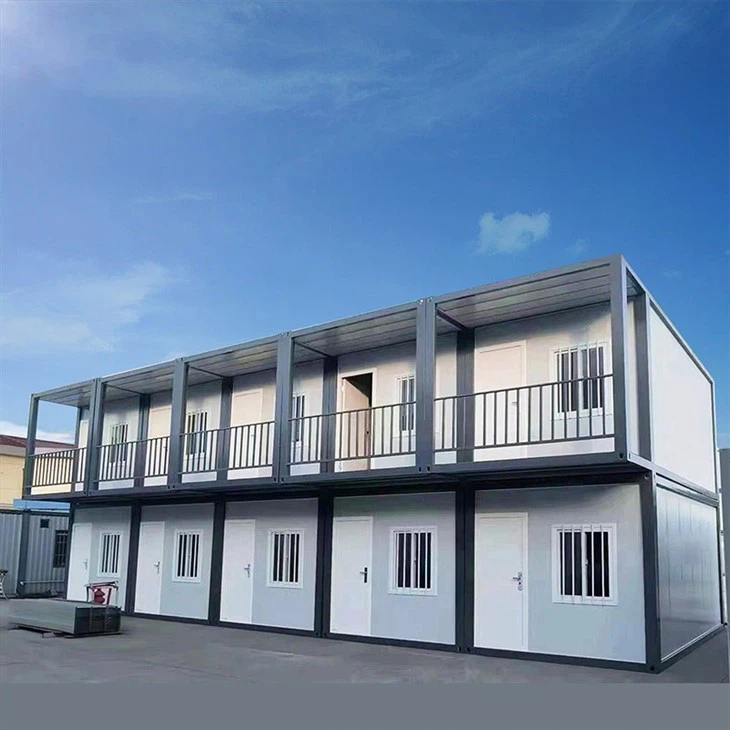
Despite these disadvantages, container homes still have their place in the housing market. They offer a unique and sustainable alternative for those who are willing to work around the challenges. If you're interested in learning more about our Modular Container Homes, Portable Container Homes, or Prefabricated Container Homes, we invite you to contact us for a detailed discussion. We can help you understand how to mitigate these disadvantages and make the most of your container home investment.
References
- "Container Homes: The Complete Guide" by various industry experts
- Local building codes and zoning regulations from different municipalities
- Research studies on the energy efficiency and durability of container homes