

What is the installation process of a folding container home?
Aug 22, 2025
Leave a message
As a provider of Folding Container Homes, I'm often asked about the installation process of these innovative living solutions. In this blog, I'll walk you through the step - by - step installation process, sharing insights and best practices based on our years of experience in the industry.
Step 1: Site Preparation
The first and crucial step in installing a folding container home is site preparation. This involves several key tasks to ensure a stable and suitable foundation for your home.
Land Assessment
Before any work begins, it's essential to assess the land where the container home will be installed. Check the topography of the site. A relatively flat area is ideal, but if the land has a slope, it may need to be leveled. Also, consider the soil type. Soft or unstable soil may require additional foundation work, such as pouring a concrete slab or installing piles.
Clearing the Site
Clear the area of any debris, rocks, or vegetation. This not only provides a clean workspace but also helps prevent any potential damage to the container home during installation. Remove any large trees or shrubs that could interfere with the placement or future use of the home.
Marking the Foundation
Once the site is cleared and leveled, mark the outline of the foundation. This will help guide the placement of the container home accurately. You can use stakes and string to create a clear boundary.
Step 2: Foundation Installation
The foundation is the backbone of your folding container home, providing stability and support. There are several types of foundations you can choose from, depending on your site conditions and budget.
Concrete Slab Foundation
A concrete slab foundation is a popular choice for container homes. It offers a solid and level surface. First, dig a shallow trench around the marked foundation area. Then, install steel reinforcement bars (rebar) to strengthen the concrete. After that, pour the concrete into the trench and level it using a screed board. Allow the concrete to cure for the recommended time, usually a few days, before proceeding with the container installation.
Pier Foundation
If you're looking for a more cost - effective and less invasive option, a pier foundation might be suitable. Piers can be made of concrete, steel, or wood. Drive the piers into the ground at regular intervals along the perimeter of the foundation. Make sure they are level and stable. Then, place a wooden or steel beam on top of the piers to create a support structure for the container home.
Step 3: Delivery and Unfolding of the Container Home
Once the foundation is ready, it's time for the delivery of your folding container home.
Delivery
Our team will carefully transport the folding container home to your site using specialized trucks. We ensure that the container is securely fastened during transportation to prevent any damage.
Unfolding
Upon arrival, our experienced installation crew will begin the unfolding process. Folding container homes are designed to be easily assembled. We start by unlocking the folding mechanisms and carefully unfolding the walls, floors, and roofs. This process is usually quick and straightforward, thanks to the pre - engineered design of our homes.
Step 4: Securing the Container Home to the Foundation
After the container home is unfolded, it needs to be securely attached to the foundation.
Anchoring
Use bolts or straps to anchor the container home to the foundation. This ensures that the home remains stable during high winds, earthquakes, or other external forces. Make sure all the connections are tight and properly aligned.

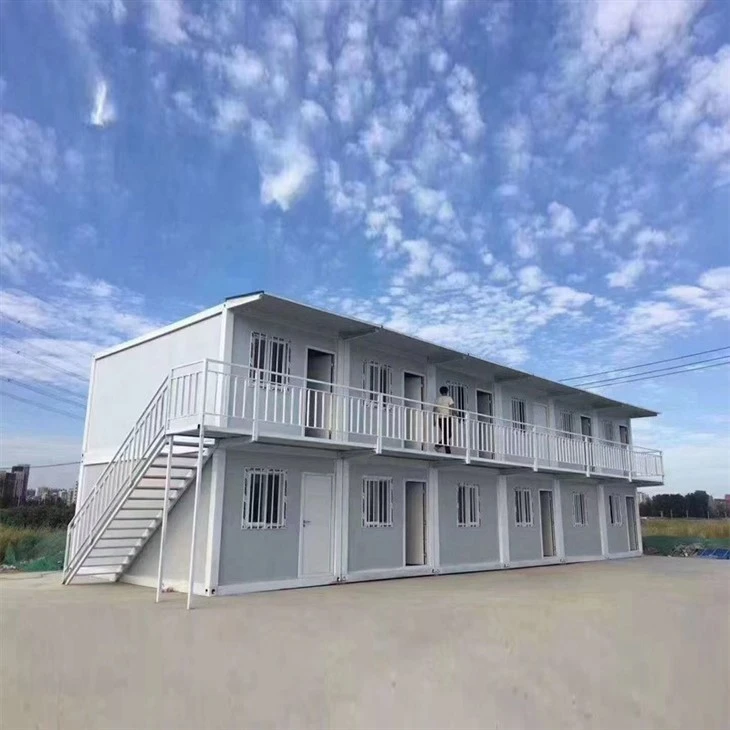
Leveling
Check the level of the container home once it's anchored. Use shims if necessary to adjust the height and ensure it is perfectly level. A level home not only looks better but also functions more efficiently, preventing issues such as water pooling on the roof or doors and windows not closing properly.
Step 5: Interior and Exterior Finishing
With the container home in place and secured, it's time to focus on the finishing touches.
Interior Finishing
This includes installing insulation to improve energy efficiency, drywall for a smooth interior surface, and flooring materials such as laminate, carpet, or tile. We also install electrical wiring, plumbing fixtures, and lighting to make the home fully functional. You can customize the interior design according to your preferences, choosing different colors, materials, and layouts.
Exterior Finishing
On the outside, we can add siding materials to enhance the aesthetic appeal and weather resistance of the home. Options include vinyl siding, wood siding, or metal panels. We also install windows and doors, ensuring they are properly sealed to prevent air and water leakage.
Step 6: Utility Connections
Connecting the container home to utilities is an essential step to make it livable.
Electrical Connection
A licensed electrician will connect the home's electrical system to the main power supply. This includes installing a breaker box, wiring the outlets and switches, and ensuring proper grounding.
Plumbing Connection
For plumbing, connect the water supply lines to the municipal water source or a well. Install drainage pipes to carry wastewater away from the home. This includes connecting the sinks, toilets, showers, and other plumbing fixtures.
Heating and Cooling
Install a heating and cooling system, such as a furnace or an air conditioner. Proper ventilation is also crucial to maintain good indoor air quality.
Advantages of Our Folding Container Homes
Our folding container homes offer numerous advantages. They are highly portable, which means they can be easily moved to a new location if needed. They are also cost - effective compared to traditional brick - and - mortar homes. Additionally, they are environmentally friendly as they often use recycled materials.
If you're interested in different types of container homes, you can check out our Detachable Container Homes, Prefab Container Homes, and Modular Container Homes.
Conclusion
The installation process of a folding container home may seem complex, but with proper planning and the right team, it can be a smooth and rewarding experience. Our company is dedicated to providing high - quality folding container homes and professional installation services. Whether you're looking for a permanent residence, a vacation home, or a temporary living solution, our folding container homes can meet your needs.
If you're interested in purchasing a folding container home or have any questions about the installation process, don't hesitate to reach out. We're here to assist you every step of the way and help you turn your container home dream into a reality.
References
- "Container Home Living: Design, Build, and Live in Your Own Shipping Container Home" by Matthew Power
- "The Shipping Container House Book: Design and Build Your Own Home" by Alastair Parvin