

What materials are used to make a movable container room?
Aug 21, 2025
Leave a message
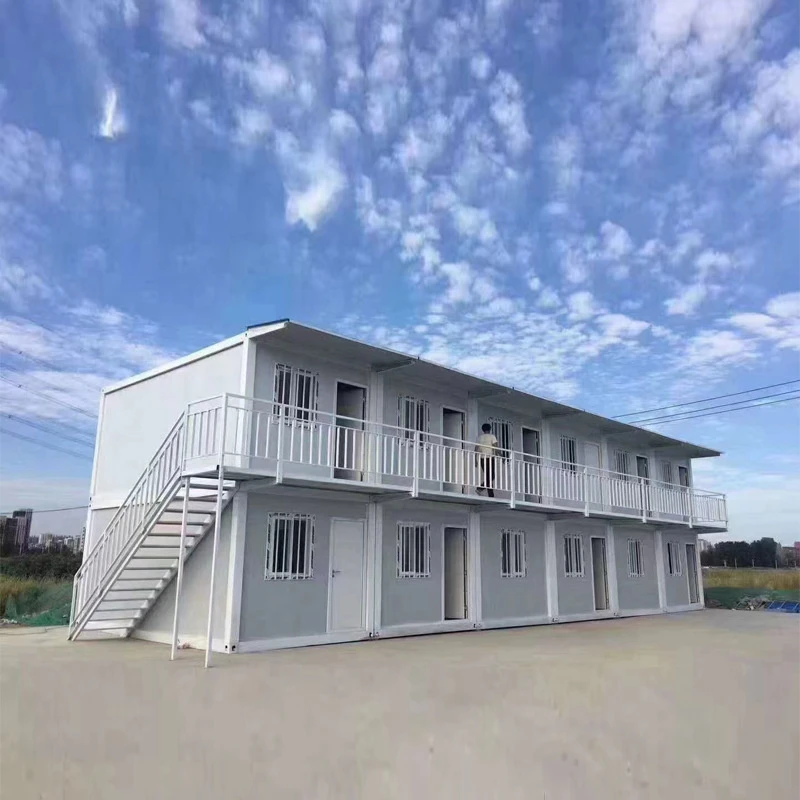
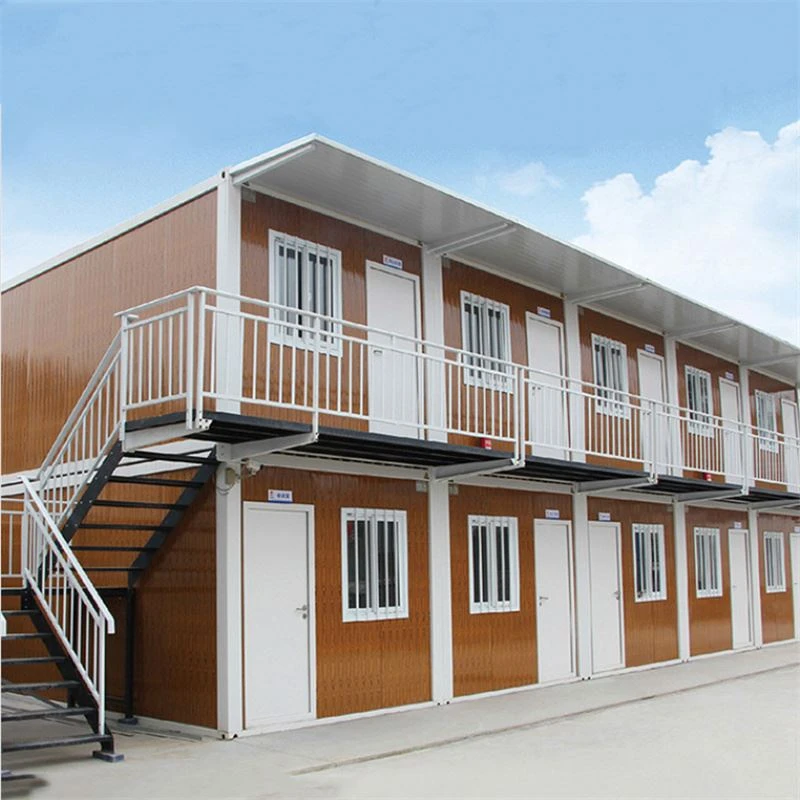
As a leading supplier of movable container rooms, I'm often asked about the materials used in their construction. Movable container rooms have gained popularity due to their versatility, portability, and cost - effectiveness. In this blog, I'll delve into the various materials that go into making these practical and functional structures.
Steel
Steel is the backbone of most movable container rooms. It is the primary material used for the frame and the outer shell. High - strength steel is favored for its durability and ability to withstand harsh environmental conditions. The steel frame provides the structural integrity of the container room, ensuring that it can be transported and re - located without significant damage.
There are different types of steel used in container room construction. Mild steel is commonly used for its affordability and ease of fabrication. It can be easily welded, cut, and shaped into the required components of the container room. However, mild steel is prone to rusting, so it usually needs to be coated with anti - rust paint or a galvanized layer. Galvanized steel, on the other hand, has a zinc coating that protects it from corrosion. This makes it ideal for long - term use, especially in areas with high humidity or near the sea.
The steel used in container rooms is typically of a specific thickness. For the frame, a thicker gauge steel is used to provide maximum strength. The outer walls may use a slightly thinner gauge, but still thick enough to offer protection and support. Steel's high strength - to - weight ratio also makes it an excellent choice as it allows the container room to be relatively light while still being able to carry heavy loads and withstand the stresses of transportation.
Insulation Materials
Insulation is crucial in movable container rooms to regulate the internal temperature and reduce energy consumption. There are several types of insulation materials commonly used:
Polyurethane Foam
Polyurethane foam is a popular choice for insulation in container rooms. It has excellent thermal insulation properties, which means it can keep the interior of the container room warm in winter and cool in summer. This type of insulation is usually sprayed onto the walls and ceiling of the container. It forms a seamless layer that fills all the gaps and voids, providing an air - tight and moisture - resistant barrier. Polyurethane foam also has good sound - insulation properties, reducing noise from the outside environment.
Glass Wool
Glass wool is another widely used insulation material. It is made from fine glass fibers and is known for its good thermal and acoustic insulation. Glass wool is relatively inexpensive and easy to install. It comes in rolls or batts that can be easily cut to fit the dimensions of the container room. However, it requires proper handling as the glass fibers can be irritating to the skin and respiratory system.
Rock Wool
Rock wool is made from natural rock materials. It has high fire - resistance properties, making it a safe choice for container rooms. Similar to glass wool, it provides good thermal and acoustic insulation. Rock wool is also resistant to pests and mold, which helps to maintain a healthy indoor environment.
Wall and Roof Panels
The wall and roof panels of movable container rooms are designed to provide protection and aesthetics.
Sandwich Panels
Sandwich panels are a common choice for wall and roof construction. These panels consist of two outer metal sheets (usually steel or aluminum) with an insulating core in between. The insulating core can be made of materials such as polyurethane foam, polystyrene, or rock wool. Sandwich panels are lightweight, easy to install, and offer good thermal and sound insulation. They also come in a variety of colors and finishes, allowing for customization of the container room's appearance.
Corrugated Steel Sheets
Corrugated steel sheets are often used for the outer walls of container rooms. The corrugated design provides additional strength and rigidity to the panels. These sheets are durable and can withstand the impact of weather and other external factors. They are also relatively easy to install and can be painted or coated for better protection against corrosion.
Flooring Materials
The flooring of a movable container room needs to be strong, durable, and easy to clean.
Plywood
Plywood is a commonly used flooring material in container rooms. It is made by gluing together multiple layers of thin wood veneers. Plywood is strong and can support heavy furniture and equipment. It can be finished with a variety of coatings, such as paint or laminate, to enhance its appearance and durability.
Vinyl Flooring
Vinyl flooring is another popular option. It is water - resistant, easy to clean, and comes in a wide range of colors and patterns. Vinyl flooring is also relatively inexpensive and can be installed quickly. It provides a comfortable walking surface and is suitable for both residential and commercial container rooms.
Accessories and Fittings
In addition to the main structural materials, there are various accessories and fittings used in movable container rooms.
Doors and Windows
Doors and windows are essential for ventilation, access, and natural light. Steel or aluminum doors and windows are commonly used in container rooms. They are durable and can be customized to fit the specific design requirements. Some doors and windows come with advanced locking systems for security purposes.
Electrical and Plumbing Fixtures
Electrical wiring, sockets, switches, and lighting fixtures are necessary for the functionality of the container room. Copper is the preferred material for electrical wiring due to its high conductivity. For plumbing, PVC pipes are commonly used as they are lightweight, corrosion - resistant, and easy to install.
Fasteners and Connectors
Bolts, nuts, screws, and other fasteners are used to assemble the different components of the container room. High - strength steel fasteners are typically used to ensure a secure connection. Connectors are also used to join different sections of the frame and panels together.
At our company, we offer a wide range of movable container rooms, including Prefabricated Container Rooms, Expandable Container Rooms, and Mobile Container Rooms. Each type of container room is carefully constructed using high - quality materials to meet the diverse needs of our customers.
If you're interested in purchasing a movable container room, whether for residential, commercial, or industrial use, we'd be more than happy to discuss your requirements. Our team of experts can provide you with detailed information about the materials used, the design options available, and the pricing. Contact us to start the procurement negotiation process, and let us help you find the perfect movable container room solution for your needs.
References
- "Building Materials Handbook" by John A. Newman
- "Container Architecture: Innovative Design Solutions" by various authors
- Industry research reports on movable container room construction materials