


Prefab Container Rooms
Description
Technical Parameters
What Is a Prefab Container Room?
A prefab container room, also known as a prefabricated container room, is a type of modular structure that is built using shipping containers. These containers are typically made of steel and are designed to be easily transported and assembled on-site. Prefab container rooms have become increasingly popular in recent years due to their affordability, durability, and versatility.
Prefab container rooms can be used for a variety of purposes, including as temporary housing, offices, classrooms, storage units, and even retail spaces. They are often used in construction sites, disaster relief efforts, and remote locations where traditional construction may be difficult or impractical.
Advantages of Prefab Container Rooms
Speed of construction: Container rooms can be constructed very quickly, typically taking only a fraction of the time required for more traditional construction methods.
Cost-effectiveness: Prefabricated container rooms are generally more affordable than traditional brick-and-mortar buildings, due to savings in materials, labor, and construction time.
Flexibility and portability: Container rooms are designed to be modular and easy to move, making them a great option for temporary or mobile structures.
Variety of uses: Container rooms can be used for a wide range of applications, such as offices, classrooms, accommodation, retail space, and more.
Durability: Container rooms are designed to withstand harsh weather conditions and extreme temperatures, making them an excellent choice for a range of locations and settings.
Environmentally friendly: Prefabricated container rooms can be eco-friendly and sustainable, as they often use recycled materials and require fewer resources to construct, reducing their overall carbon footprint.
Low maintenance requirements: Container rooms require minimal maintenance, which can save costs over the long term, making them an attractive option for businesses and organizations looking to cut costs.


Why Choose Us
The Company's Philosophy
FUDELAI is a world-class supplier manufacturing custom integrated bathroom and bathroom accessories,serving customers from R&D to full-scale production.
Corporate Strategy
We dedicate to the combination of iconic design forefront technology,and maximum comfort.Our products are being sold across the country and perfectly fit in with the standards in global.
Company Mission
FUDELAI implements modern enterprise management,adhering to the independent and innovative route by providing customers with eco-friendly,high-qualified,affordable and comfortable products.
Competitive Advantage
Our factory is approved by the government, ensuring that we meet all required standards. We have a team of professional R&D engineers who work to improve our products continuously. Additionally, we maintain strict quality control throughout the entire production process.
How Are Prefab Container Rooms Made?
On-Site Construction
Once the prefabrication is complete, the modified containers are transported to the desired location for final assembly. The containers are positioned on a foundation or a platform, and then connected to each other and to existing structures, if applicable. This process involves the installation of support structures, exterior cladding, and final finishes.
Modifications and customization
The containers undergo modifications to convert them into livable spaces. This may include cutting windows, adding doors, installing insulation, and incorporating interior finishes like flooring, walls, and ceilings. Customizations can range from minor aesthetic changes to significant structural alterations.
Prefabrication
Prefabrication refers to the assembly of components before the final construction. In the case of prefab container rooms, this may include the installation of electrical systems, plumbing, heating and cooling systems, and any other necessary fixtures and fittings. These components are prefabricated off-site in controlled environments, ensuring quality and efficiency.
Container selection
The process begins with the selection of shipping containers, which are typically made of durable corrugated steel. These containers are chosen based on their size, condition, and modifications needed to suit the desired design.
Final finishes and inspection
After the on-site construction is complete, the prefab container rooms undergo final finishes, such as painting, landscaping, and any additional interior design elements. They are then inspected to ensure compliance with safety and building regulations.
Occupancy and maintenance
Once approved, the prefab container rooms are ready for occupancy. Regular maintenance and upkeep are required to ensure their durability and functionality.
Manufacturing Process of Prefab Container Rooms
Sourcing containers: The first step is to source the shipping containers, which can be new or used. New containers are expensive, so most manufacturers prefer to use used containers, which are cheaper and readily available.
Inspecting and repairing containers: Once the containers are sourced, they are thoroughly inspected for any damage or rust. Any damage or rust is repaired, and the containers are cleaned and prepped for modification.
Designing and modifying containers: The next step is to design the layout and modify the containers as per the customer's requirements. This includes cutting and welding the containers to create windows, doors, and other openings, installing insulation, and adding electrical and plumbing systems.
Installing flooring and finishing: After the modifications are complete, the containers are fitted with flooring, which can be made of wood, vinyl, or tiles. Walls and ceilings are finished with plaster or drywall, and the containers are painted or cladded with other materials to give them a more attractive look.
Quality assurance and inspection: Once the conversion process is complete, the containers are inspected for quality assurance. This includes checking the structural integrity, electrical and plumbing systems, and overall functionality of the house.
Delivery and installation: Finally, the finished container house is transported to the customer's location and installed on a foundation or trailer, depending on the customer's requirements.
How Are Prefab Container Rooms Different from Traditional Construction Methods?
One of the unique features of prefab container rooms is their mobility. These containers can be easily transported to different locations using trucks or cranes, making them ideal for temporary or mobile housing solutions. Traditional buildings are fixed structures that cannot be easily moved once constructed.
Construction process
Prefab container rooms are built off-site in a factory-controlled environment, where the containers are modified and assembled according to the design specifications. Traditional construction, on the other hand, involves on-site building from scratch using materials like bricks, concrete, and wood.
Speed of construction
Prefab container rooms can be constructed much faster than traditional buildings. Since most of the work is done in a factory setting, the containers can be quickly assembled on-site within a matter of weeks. Traditional construction projects typically take several months or even years to complete.
Cost
Prefab container rooms are generally more cost-effective than traditional construction methods. The streamlined manufacturing process and reduced labor costs associated with prefab construction can result in significant savings for builders and homeowners.
Material of Prefab Container Rooms
Corten steel
The most common material used for prefab container rooms is corten steel. It is a weathering steel that is resistant to corrosion, rusting, and weathering. Corten steel is also very durable and has a long lifespan.
01
Plywood
Plywood is another popular material used for prefab container rooms. It is easy to work with, lightweight, and cost-effective. Plywood is also resistant to moisture and can withstand harsh environmental conditions.
02
Insulation
To make the prefab container rooms more comfortable and energy-efficient, insulation materials are used. Common insulation materials include spray foam, fiberglass, and mineral wool.
03
Flooring
Prefab container rooms may have different flooring options, such as vinyl, laminate, or wood. The type of flooring used will depend on the intended use of the container room.
04
Windows and doors
Prefab container rooms come with pre-installed windows and doors that are made of aluminum or steel. These are designed to be weather-resistant and secure.
05
Building a prefab container room typically takes much less time compared to traditional construction methods. The exact time it takes to build a prefab container room can vary depending on factors such as the size of the room, the complexity of the design, the availability of materials, and the efficiency of the construction team.
In general, a prefab container room can be assembled and ready for use in a matter of weeks. The process usually involves preparing the site, delivering the prefabricated containers, assembling them together, installing utilities such as plumbing and electricity, and finishing touches like painting and flooring.
With proper planning and coordination, a prefab container room can be built in as little as a few days to a few weeks. This speed of construction is one of the key advantages of using prefab containers for building projects, making them an attractive option for those looking for quick and efficient construction solutions.
The efficient nature of prefab container construction not only saves time but also reduces overall costs. The streamlined process minimizes construction waste and maximizes resource utilization, leading to a more cost-effective building solution. This cost efficiency makes prefab container rooms a popular choice for budget-conscious projects seeking high-quality construction.
Moreover, the versatility of prefab container rooms allows for customization to meet specific needs and preferences. From adding windows for natural light to incorporating environmentally friendly features, the design possibilities are vast. This flexibility ensures that prefab container rooms can adapt to various settings and purposes, whether it be for residential, commercial, or even industrial use.
The durability of prefab containers ensures long-lasting performance and structural integrity. These sturdy structures can withstand various weather conditions and offer reliable protection for occupants. The combination of speed, cost efficiency, versatility, and durability makes prefab container construction a compelling option for modern building projects seeking a balance between quality and efficiency.
How to Choose Prefab Container Rooms?
Purpose and functionality
The first step in choosing a prefab container room is to clearly define its intended use. Whether you're looking for a temporary office space, a permanent home, or a creative studio, the function will dictate the design and features you need. Consider aspects such as size, layout, and the need for amenities like plumbing and electrical systems.
Quality and durability
Given that shipping containers are designed to withstand harsh conditions at sea, they inherently possess great structural strength. However, modifications made during the conversion process can affect their durability. Ensure that your chosen provider uses high-quality materials for insulation, windows, doors, and other modifications without compromising the container's integrity.
Insulation and climate control
Effective insulation is crucial for making your prefab container room comfortable throughout the year. Depending on your location's climate, you'll need to consider different insulation materials and techniques that will keep your space warm in winter and cool in summer. Additionally, efficient heating, ventilation, and air conditioning (HVAC) systems will help maintain optimal indoor air quality and temperature.
Customization options
One of the appealing aspects of prefab container rooms is their versatility in design and customization. Look for providers that offer flexibility in terms of layout changes, finishes, colors, and additional features like decks or rooftop gardens. This will allow you to personalize your space according to your preferences and needs.
Budget constraints
While prefab container rooms can be more cost-effective than traditional construction methods in many cases, prices can vary widely based on size, customization options, and additional features. Establishing a clear budget from the outset will help guide your decisions throughout the selection process.
Regulatory compliance
Before making a final decision on your prefab container room purchase or installation site preparation work begins ensure compliance with local building codes regulations zoning ordinances this includes obtaining necessary permits ensuring structure meets all safety standards
Parts of Prefab Container Rooms


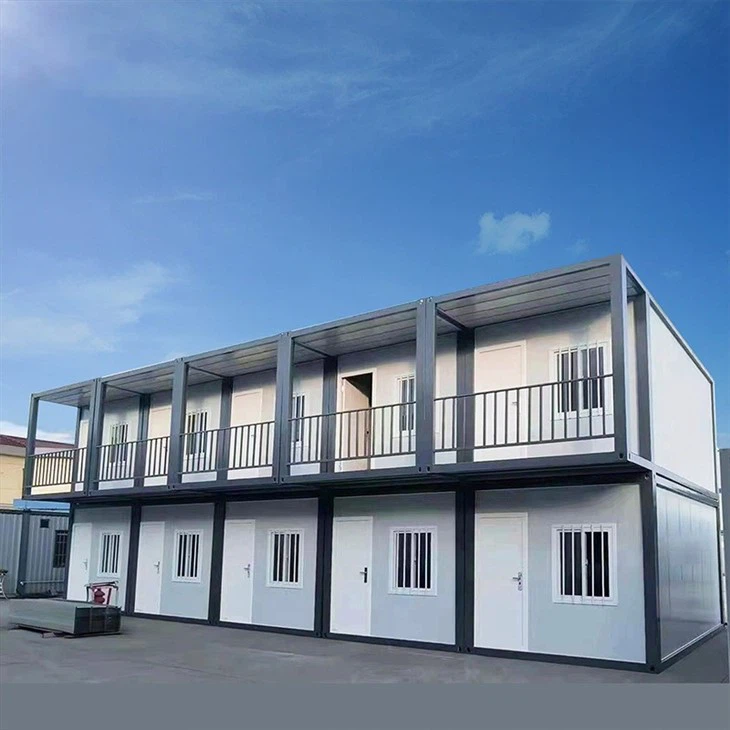
Base structure
The base structure of a prefab container room is a steel shipping container. These containers are made from high-strength, corrosion-resistant corten steel, ensuring the room's durability and ability to withstand various weather conditions. The base structure can vary in size, typically ranging from 20 to 40 feet in length, providing a versatile foundation for customization.
Insulation
Proper insulation is crucial for making prefab container rooms comfortable and energy-efficient. Insulation materials can include spray foam, panels, or blanket insulation, applied to the interior walls, roof, and sometimes the floor. This layer maintains internal temperatures, reduces energy costs, and minimizes external noise.
Interior walls and ceilings
The interior walls and ceilings of container homes are typically constructed from lightweight materials such as drywall or plywood. These materials are used to divide the interior space into rooms and to create a more traditional home appearance inside. Electrical wiring and plumbing are often installed within these walls before they are finished and painted.
Doors and windows
Cutting openings in the prefab container rooms walls allows for the installation of doors and windows, providing natural light and ventilation. These features are essential for creating a comfortable living environment. Doors and windows also enhance the aesthetic appeal of the container room and can be customized according to the owner's preferences.
Flooring
Flooring options for prefab container rooms are diverse, ranging from original plywood floors reinforced and finished, to installing new materials such as laminate, hardwood, or tile. The choice of flooring depends on the desired look, budget, and use of the space.
Roofing
While the original container roof is made of steel and can be left as is, many owners choose to modify or enhance it for better insulation, water drainage, or to install rooftop gardens or decks. Additional roofing materials or coatings can be applied for extra protection and insulation.
Utilities and systems
prefab container rooms are equipped with essential utilities and systems, including electrical, plumbing, heating, and cooling. These are integrated into the structure in a way that maximizes space and efficiency. Renewable energy sources, such as solar panels, can also be installed to further reduce the environmental impact and utility costs.
Exterior finishes
The exterior of a prefab container room can be left largely unchanged for an industrial look or modified with various cladding materials like wood, metal, or composite panels to match the owner's style and provide additional insulation. Paints and treatments designed for metal surfaces are also used to protect against rust and weathering.
How to Maintain Prefab Container Rooms?
Regular inspection
Conduct regular inspections of the container rooms to check for any signs of wear and tear, leaks, or damage. Addressing issues promptly can prevent further damage and costly repairs.
Insulation
Proper insulation is crucial for making prefab container rooms comfortable and energy-efficient. Insulation materials can include spray foam, panels, or blanket insulation, applied to the interior walls, roof, and sometimes the floor. This layer maintains internal temperatures, reduces energy costs, and minimizes external noise.
Interior walls and ceilings
The interior walls and ceilings of container homes are typically constructed from lightweight materials such as drywall or plywood. These materials are used to divide the interior space into rooms and to create a more traditional home appearance inside. Electrical wiring and plumbing are often installed within these walls before they are finished and painted.
Doors and windows
Cutting openings in the prefab container rooms walls allows for the installation of doors and windows, providing natural light and ventilation. These features are essential for creating a comfortable living environment. Doors and windows also enhance the aesthetic appeal of the container room and can be customized according to the owner's preferences.
Flooring
Flooring options for prefab container rooms are diverse, ranging from original plywood floors reinforced and finished, to installing new materials such as laminate, hardwood, or tile. The choice of flooring depends on the desired look, budget, and use of the space.
Roofing
While the original container roof is made of steel and can be left as is, many owners choose to modify or enhance it for better insulation, water drainage, or to install rooftop gardens or decks. Additional roofing materials or coatings can be applied for extra protection and insulation.
Utilities and systems
prefab container rooms are equipped with essential utilities and systems, including electrical, plumbing, heating, and cooling. These are integrated into the structure in a way that maximizes space and efficiency. Renewable energy sources, such as solar panels, can also be installed to further reduce the environmental impact and utility costs.
Exterior finishes
The exterior of a prefab container room can be left largely unchanged for an industrial look or modified with various cladding materials like wood, metal, or composite panels to match the owner's style and provide additional insulation. Paints and treatments designed for metal surfaces are also used to protect against rust and weathering.
How to Maintain Prefab Container Rooms?
Regular inspection: Conduct regular inspections of the container rooms to check for any signs of wear and tear, leaks, or damage. Addressing issues promptly can prevent further damage and costly repairs.
Cleaning: Keep the prefab container rooms clean both inside and outside. Regularly sweep the floors, wipe down surfaces, and remove any debris or clutter. This will help prevent mold, mildew, and pest infestations.
Weatherproofing: Ensure that the container rooms are properly weatherproofed to protect them from harsh environmental conditions such as rain, snow, and extreme temperatures. Check for gaps, cracks, or leaks and seal them accordingly.
Structural integrity: Monitor the structural integrity of the prefab container rooms regularly. Check for any signs of rust or corrosion on the walls, roof, and doors. Repair or replace any damaged components to prevent further deterioration.
Insulation: Proper insulation is crucial for maintaining a comfortable temperature inside the container rooms and reducing energy costs. Inspect the insulation regularly and replace it if damaged or worn out.
Plumbing and electrical systems: Regularly inspect the plumbing and electrical systems in the prefab container rooms to ensure they are functioning properly. Look for leaks, faulty wiring, or malfunctioning fixtures and repair them promptly.
Ventilation: Proper ventilation is essential to prevent moisture buildup, improve air quality, and regulate temperature inside the container rooms. Ensure that vents are clear of obstructions and functioning effectively.
Security measures: Implement security measures such as sturdy locks, security cameras, and alarms to protect the prefab container rooms from theft or vandalism.
Are Prefab Container Rooms Suitable for All Types of Environments?
Prefab container rooms have been used in a variety of environments, including urban areas, rural areas, deserts, and even polar regions.
Depending on the intended use and the specific design, some prefab container rooms may be more or less suitable for certain environments. For example, a container room designed for a desert climate may have insulated walls, ventilation systems, and shading devices to deal with high temperatures and sun exposure.
Some environmental factors that may affect the suitability of prefab container rooms include temperature, humidity, wind, precipitation, seismic activity, soil conditions, and vegetation. For instance, a container room in a coastal area may require special coatings or materials to prevent corrosion from saltwater.
Depending on the regulations and certification standards in the location, prefab container rooms may need to meet certain requirements regarding structural safety, energy efficiency, fire resistance, and accessibility.
The suitability of prefab container rooms for different environments depends on multiple factors that need to be evaluated on a case-by-case basis.
Can Prefab Container Rooms Be Expanded or Modified Later?
Prefab container rooms, known for their versatility and sustainability, offer a unique advantage in terms of expansion and modification. Unlike traditional construction methods, prefab container rooms are designed with modularity in mind, making them relatively easy to expand or modify later on.
Expansion of prefab container rooms can be achieved in several ways. One common method is by adding more containers to the existing structure. This can be done by stacking containers on top of each other or placing them side by side, depending on the desired layout and the structural integrity of the original design. The modularity of container homes means that new units can be integrated with minimal disruption to the existing space.
Modifications to prefab container rooms can also be made to accommodate new needs or preferences. This might include interior redesigns, the addition of windows or doors, or the installation of new utilities.
However, there are a few considerations to keep in mind when planning to expand or modify prefab container rooms:
Permits and regulations: Before expanding or modifying a container home, it's crucial to check local building codes and regulations. Some modifications may require permits, and there may be restrictions on how and where containers can be placed.
Structural integrity: Any modifications, especially those involving cutting into the steel structure, should be done with care to maintain the structural integrity of the container. Professional advice is essential in this regard.
Weatherproofing and insulation: Expanding or modifying container rooms often involves additional weatherproofing and insulation work to ensure the new sections are as comfortable and energy-efficient as the original structure.
Utility connections: Expanding or altering the layout of a container home may require adjustments to existing utility connections, including plumbing, electrical, and HVAC systems.
Our Factory
FUDELAI has more than 15 year experience and specializes in design and manufacture of Shower Enclosures,Shower room,shower door,shower screen and other bathroom products.FUDELAI is integrating technology,production and sales all together.
FAQ
Q: What is the difference between container and prefab?
Q: What is a prefab container home?
Q: Why choose prefab?
Q: Why is prefab cheaper?
Q: Do container homes have foundation?
Q: Is it hard to build a container home?
Q: What size are prefab containers?
Q: How long do container homes last?
Q: Are container homes hot in summer?
Q: Are container homes cold in winter?
Q: Are container homes noisy?
Q: Is prefab the future?
Q: How safe are prefab homes?
Q: Does prefab save money?
Q: Is modular or prefab better?
Q: Are container homes waterproof?
Q: How are container homes anchored?
Q: Do container homes have bathrooms?
Q: What is the best footing for a shipping container?
Q: What are the hidden costs of shipping container homes?
Hot Tags: prefab container rooms, China prefab container rooms manufacturers, suppliers, factory, Modular Container Rooms, Portable Container Homes, Integrated Shower Room Units, , Container Room
Product parameter:
|
Size |
6000*3000*2800mm |
Core thickness |
75mm |
|
Top frame roof |
0.5mm color steel |
Steel thickness |
0.35mm |
|
Ceiling |
0.3mm color steel tile |
Electric circuit |
1 light;3 sockets;1 switch |
|
Wall material |
Rock wool |
Main material |
Sandwich Panel, Steel |
Previous
Foldable Container RoomsSend Inquiry


