

How to install plumbing in a mobile container house?
Dec 04, 2025
Leave a message
Installing plumbing in a mobile container house is a crucial step that requires careful planning and execution. As a supplier of Mobile Container Houses, I have witnessed firsthand the importance of a well - installed plumbing system for the comfort and functionality of these unique living spaces. In this blog, I will guide you through the process of plumbing installation in a mobile container house, sharing insights and tips gained from years of experience in the industry.
Planning Your Plumbing System
Before you start any installation work, it is essential to have a clear plan for your plumbing system. Consider the layout of your container house, including the location of the kitchen, bathroom, and any other areas that require water supply or drainage. You need to determine the number of fixtures such as sinks, toilets, showers, and washing machines, and plan the routing of pipes accordingly.
A good starting point is to create a detailed floor plan of your container house. Mark the exact locations where you want to install each plumbing fixture. This will help you visualize the path of the pipes and ensure that they are installed in the most efficient and practical way. When planning, also take into account the future expansion or modification of your plumbing system. You may want to leave some extra space or预留 some pipe connections for potential upgrades.
Selecting the Right Materials
The quality of the materials you choose for your plumbing system can significantly affect its performance and durability. For water supply pipes, you can choose between copper, PEX (cross - linked polyethylene), or PVC (polyvinyl chloride) pipes. Copper pipes are known for their durability and resistance to corrosion, but they can be more expensive. PEX pipes are flexible, easy to install, and resistant to freezing, making them a popular choice for mobile container houses. PVC pipes are lightweight and inexpensive, but they may not be suitable for hot water applications.
For drainage pipes, PVC is the most commonly used material due to its affordability, durability, and ease of installation. Make sure to select pipes with the appropriate diameter for your fixtures. For example, a sink drain typically requires a 1.5 - inch pipe, while a toilet drain needs a 3 - or 4 - inch pipe.
Preparing the Container
Before installing the plumbing system, you need to prepare the container. First, make sure the container is level and stable. Uneven surfaces can cause stress on the pipes and lead to leaks over time. You may need to use shims or leveling pads to adjust the container's position.
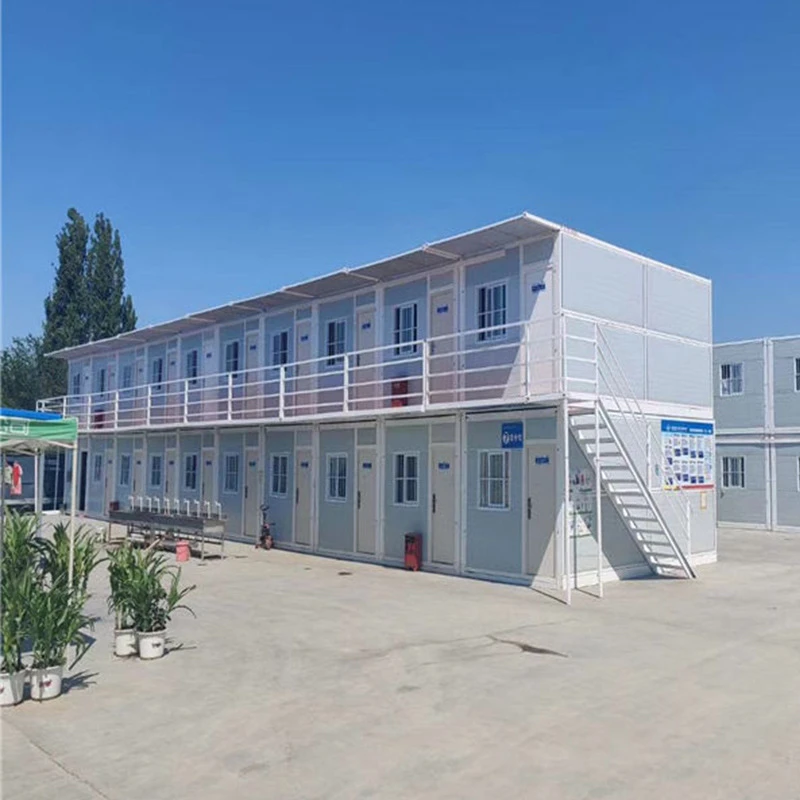
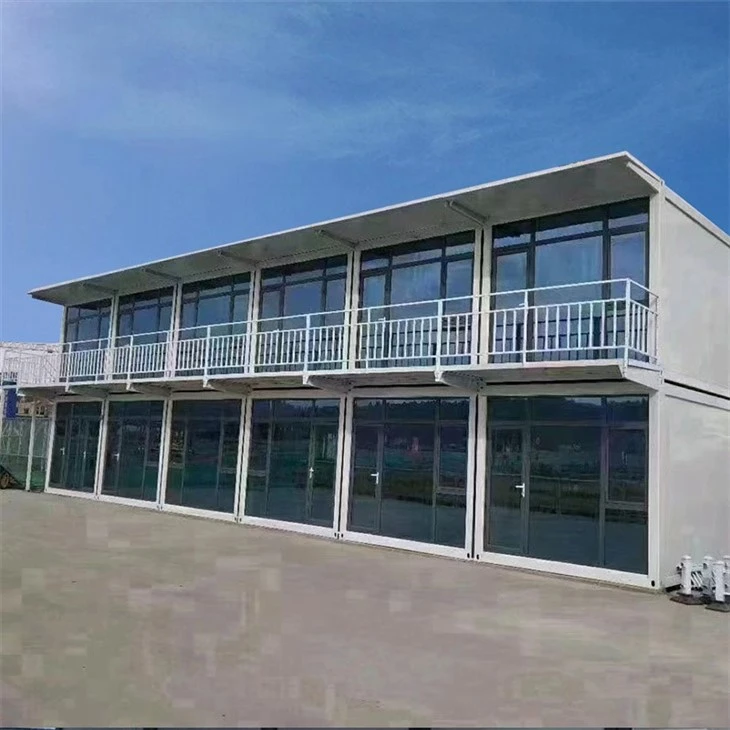
Next, you need to cut holes in the container walls and floors for the pipes. Use a hole saw or a jigsaw to make clean and precise cuts. Make sure to measure the locations of the holes accurately based on your plumbing plan. After cutting the holes, smooth the edges to prevent damage to the pipes.
Installing the Water Supply System
The water supply system consists of the main water line, branch lines, and fixtures. Start by connecting the main water line to the water source. If your container house is connected to a municipal water supply, you will need to install a shut - off valve near the point of entry. This valve allows you to turn off the water supply in case of an emergency.
Then, install the branch lines that lead to each fixture. Use appropriate fittings such as elbows, tees, and couplings to connect the pipes. Make sure to secure the pipes to the container walls and floors using pipe clips or hangers to prevent movement.
When installing the fixtures, follow the manufacturer's instructions carefully. Connect the water supply lines to the fixtures using flexible hoses or rigid pipes, depending on the type of fixture. For example, a sink faucet usually requires a flexible supply line, while a washing machine may need a rigid connection.
Installing the Drainage System
The drainage system is responsible for removing wastewater from your container house. Start by installing the main drain line, which should slope downward towards the sewer or septic tank. The slope should be at least 1/4 inch per foot to ensure proper drainage.
Connect the drain lines from each fixture to the main drain line using appropriate fittings. Make sure to install P - traps under each sink, shower, and bathtub. P - traps are U - shaped pipes that hold a small amount of water to prevent sewer gases from entering the container house.
When connecting the toilet drain, make sure to use a wax ring or a rubber gasket to create a watertight seal between the toilet and the floor flange. Secure the toilet to the floor using bolts or screws.
Testing the Plumbing System
Once the plumbing system is installed, it is crucial to test it for leaks and proper functionality. Turn on the water supply and check all the connections for leaks. Look for any signs of water dripping or pooling around the pipes and fixtures. If you find a leak, tighten the connection or replace the faulty fitting.
Next, test the drainage system by running water through each fixture. Make sure the water drains quickly and smoothly without any clogs. If you notice slow drainage, you may need to use a drain snake or a chemical drain cleaner to clear the blockage.
Insulation and Protection
In a mobile container house, it is important to insulate the pipes to prevent freezing in cold weather. You can use foam pipe insulation sleeves to wrap around the pipes. This will help maintain the temperature of the water inside the pipes and prevent them from bursting.
Also, consider protecting the pipes from physical damage. You can install pipe covers or guards in areas where the pipes are exposed or at risk of being hit by objects.
Conclusion
Installing plumbing in a mobile container house is a complex but rewarding task. By following these steps and using high - quality materials, you can ensure a reliable and efficient plumbing system for your container house. Whether you are building a Modular Container Houses, Movable Container Houses, or Folding Container Houses, a well - installed plumbing system is essential for a comfortable living environment.
If you are interested in purchasing our mobile container houses or need more information about plumbing installation, please feel free to contact us for a purchasing negotiation. We are committed to providing you with high - quality products and professional services.
References
- "Plumbing Installation Handbook" by Plumbing Professionals Association
- "Container House Building Guide" by Container Housing Institute